


Top Rated Massachusetts Longshoreman injury Law Firm – Grossman Attorneys
If you were injured working on Massachusetts docks, shipyards, or vessels, you need an attorney who understands the federal Longshore and Harbor Workers’ Compensation Act inside and out. These cases are nothing like standard workers’ compensation claims. LHWCA benefits can be substantial, but insurance companies routinely deny legitimate claims or offer lowball settlements to injured maritime workers who don’t know their rights.
Grossman Attorneys at Law has spent years representing longshoremen and harbor workers throughout Massachusetts. Our team knows how to build compelling cases, negotiate aggressively with insurance carriers, and take your claim to trial when insurers refuse to offer fair compensation. We understand the physical demands of your job and the financial pressure you face when an injury keeps you from working. Your recovery is too important to leave to chance. Contact us today for a free consultation about your longshore accident claim.
Understanding the Longshore and Harbor Workers’ Compensation Act (LHWCA)
If you’ve been injured while working on Massachusetts docks, shipyards, or harbor facilities, you’re likely covered under the Longshore and Harbor Workers’ Compensation Act (LHWCA). This federal law provides medical benefits and wage replacement to maritime workers who get hurt on navigable waters or adjacent work areas like piers and terminals.
Understanding how LHWCA coverage works, who qualifies for benefits, and how this law differs from other maritime protections is essential for securing the full compensation you deserve after a workplace injury. The LHWCA also covers necessary medical care without deductibles or copays and provides wage-loss benefits that are adjusted annually based on the National Average Weekly Wage.
What is LHWCA Coverage?
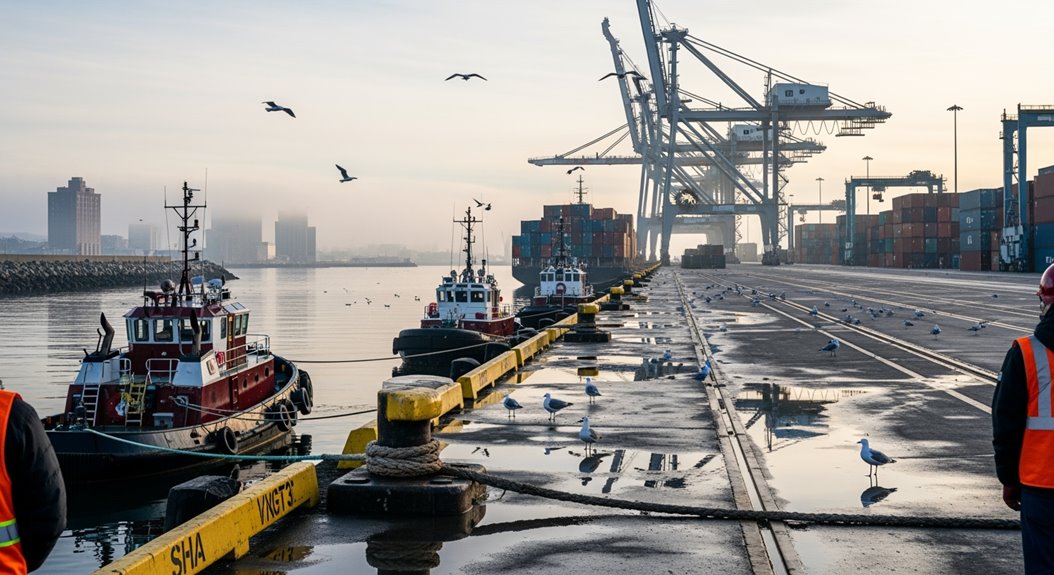
When you’ve been injured while working on or near navigable waters in Massachusetts, the Longshore and Harbor Workers’ Compensation Act (LHWCA) likely provides your path to benefits and compensation. This federal program offers a coverage overview that protects dock workers, ship repairers, harbor construction workers, and others who perform maritime labor. Claimant eligibility extends to injuries occurring on navigable waters or adjoining areas like piers, docks, and terminals.
The LHWCA provides medical benefits, disability compensation, vocational rehabilitation, and death benefits to qualifying workers. Understanding whether you’re covered requires examining both your job duties and injury location. Under the LHWCA, claims are administered by the OWCP and DLHWC, which oversee benefits and help ensure eligible maritime workers receive medical and wage loss support.
Who Qualifies for LHWCA Benefits?
Although the LHWCA provides all-encompassing protection for maritime workers, qualifying for benefits requires meeting two essential tests that examiners evaluate carefully.
First, you must satisfy the situs test, which examines whether your injury occurred on navigable waters or in an adjoining area like a dock, pier, or terminal used in maritime operations.
Second, your employment status must demonstrate maritime work connection. This means your job duties involve loading, unloading, repairing, or building vessels. Both tests work together to establish coverage eligibility. Meeting these criteria guarantees you’ll receive the compensation and medical benefits you’re entitled to under federal law. Covered locations also include piers, wharves, dry docks, shipyards, marine railways, and adjoining areas customarily used for vessel loading, unloading, repairing, dismantling, or building.
How Does LHWCA Differ from Other Maritime Laws?
The LHWCA stands apart from other maritime laws through its no-fault compensation system, which fundamentally changes how injured workers receive benefits. Unlike traditional Jones Act claims, you don’t need to prove your employer’s negligence or comparative liability (shared fault for the accident).
The statutory scope of LHWCA provides predetermined benefits for medical expenses and wage replacement, eliminating lengthy fault determinations. This contrasts sharply with general maritime law, where you must establish negligence and damages can vary markedly. While Jones Act seamen pursue personal injury lawsuits, LHWCA claimants follow an administrative process through the Department of Labor, offering faster initial relief.
Major Ports and Maritime Facilities in Massachusetts
Boston Harbor
Boston Harbor serves as Massachusetts’ primary commercial maritime hub, located along the Massachusetts Bay coastline. Major operators include Massport, which manages facilities such as Conley Container Terminal and Flynn Cruiseport, along with numerous private terminal operators handling diverse cargo types. The harbor supports container shipping, automobile imports, petroleum products, and cruise ship operations.
Boston Harbor processes over 15 million tons of cargo annually, making it one of the busiest ports in the Northeast. The facility employs thousands of maritime workers across its various terminals and generates billions of dollars in regional economic impact. Conley Container Terminal alone handles hundreds of thousands of TEUs (twenty-foot equivalent units) each year, while the cruise terminal serves tens of thousands of passengers during the seasonal cruise season. One key resource for analyzing cargo flows is the National Waterway Network, which links ports, nodes, and tonnage data to support waterborne commerce statistics.
New Bedford Commercial Fishing Port
New Bedford is located on the southern Massachusetts coast and serves as the nation’s most valuable commercial fishing port. The port hosts hundreds of fishing vessels and supports major seafood processing operations, with companies specializing in scallops, groundfish, and other commercial species. Shore-side facilities include fish processing plants, marine supply companies, and vessel maintenance operations.
New Bedford consistently ranks as the highest-value fishing port in the United States, generating hundreds of millions of dollars in annual landings value. The port employs thousands of workers in fishing operations and seafood processing facilities. The commercial fishing fleet and related industries form the economic backbone of the region’s maritime economy.
Gloucester Harbor
Gloucester Harbor, situated on Cape Ann in northeastern Massachusetts, operates as one of the nation’s oldest commercial fishing ports. The facility supports a working commercial fishing fleet alongside marine services, vessel construction and repair operations, and tourism-related maritime businesses. Companies operating from Gloucester include commercial fishing vessels, processing facilities, and maritime support services.
The port maintains an active commercial fishing fleet that contributes significantly to the regional economy through fish landings and processing operations. Gloucester employs hundreds of maritime workers in fishing, processing, and vessel maintenance sectors, with the port generating millions of dollars in annual economic activity.
Provincetown Harbor
Provincetown Harbor is located at the northern tip of Cape Cod and combines commercial fishing operations with a significant maritime tourism industry. The facility serves commercial fishing vessels specializing in lobster, groundfish, and other species, while also accommodating whale watching operations and recreational boating services.
The port supports several dozen commercial fishing vessels and employs maritime workers in fishing, vessel maintenance, and tourism-related operations. While smaller than New Bedford or Gloucester, Provincetown contributes millions of dollars to the local economy through combined commercial fishing and maritime tourism activities.
Boston Fish Pier
Boston Fish Pier, located in the South Boston Seaport District, operates as America’s oldest continuously operating fish pier facility. The historic facility houses fish processing companies, seafood distributors, and commercial fishing vessel berths. Major tenants include seafood processing and distribution companies serving regional and national markets.
The Fish Pier handles millions of pounds of seafood annually and employs workers in fish processing, distribution, and vessel operations. Despite competing with larger fishing ports, the facility remains economically significant to Boston’s maritime industry and the regional seafood supply chain.
Common Longshore and Dock Worker Accidents in Massachusetts
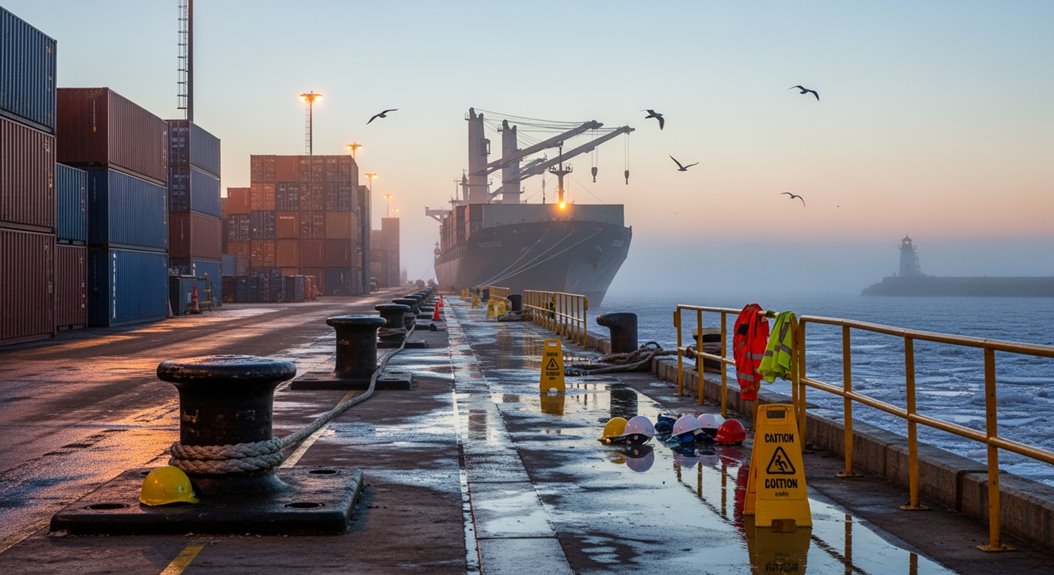
Working on Massachusetts docks and waterfront facilities exposes longshore workers to some of the most dangerous conditions in any American industry. Despite strict dock safety protocols and cargo security measures, accidents remain common:
- Slips, trips, and falls from heights, ladders, or slippery surfaces contaminated with oil and seawater
- Heavy machinery incidents involving cranes, forklifts, and cargo handling equipment that can cause crush injuries
- Hazardous substance exposure to chemicals, fuels, and asbestos in older vessels
- Collisions and water-related accidents including vessel strikes and overboard falls
Inadequate lighting, cluttered workspaces, and equipment malfunctions compound these risks markedly. OSHA’s marine terminal and longshoring standards emphasize fall protection and safe cargo-handling procedures to reduce these hazards.
Longshore and Port Worker Injury Statistics in Massachusetts
Regrettably, Massachusetts doesn’t publish injury statistics that specifically isolate longshore and port workers from other maritime occupations, making it difficult to assess the full scope of danger facing dock workers in Boston, New Bedford, and other coastal facilities.
National data reveals the severity:
- Maritime workers face 18.2 deaths per 100,000 workers annually, six times the national average
- One in twenty marine terminal employees suffers injury yearly
- Poor port ergonomics contribute to repetitive strain injuries
- Inadequate crew mental health support increases accident risk
Federal funding cuts threaten injury surveillance programs, potentially reducing oversight at Massachusetts ports. According to federal data, transportation and warehousing experienced high fatality counts in 2022, with many incidents involving contact with objects and falls noted in the BLS CFOI Table A-1.
Insurance companies know our reputation. They know we prepare every case for trial and we’ll go the distance when settlement offers fall short. We investigate thoroughly, build bulletproof cases, and aren’t afraid to take yours to court. That changes negotiations from the start.
Anytime. Anywhere. We’re Ready to Fight for You.
Compensation Available for Longshoremen in Massachusetts
If you've suffered an injury while working in Massachusetts's ports or shipyards, the Longshore and Harbor Workers' Compensation Act provides several types of compensation to help you recover financially. These benefits cover everything from your immediate medical expenses to long-term disability payments that can support you and your family during your recovery.
Understanding what compensation you're entitled to is the first step toward securing the full financial support you deserve after a workplace accident.
Medical Benefits
Recovering from a workplace injury shouldn't come with the added stress of fighting for medical care. Under the Longshore Act, you're entitled to thorough medical coverage for all necessary treatment related to your injury. This includes doctor visits, hospitalizations, surgeries, medications, physical therapy, and medical equipment.
Your employer's insurance carrier can't force you to see their chosen doctor exclusively. While they may require treatment authorization for certain procedures, they must respond promptly to requests. If an insurer delays or denies needed care, you have the right to challenge their decision through formal proceedings.
Disability Benefits
Beyond covering your medical expenses, the Longshore Act provides monthly disability benefits to replace lost wages when your injury prevents you from working. You'll receive compensation based on your average weekly wage and the severity of your condition. These benefits continue until you recover or reach maximum medical improvement.
If you can't return to your previous position, you may qualify for vocational rehabilitation services to help you develop new skills for alternative employment. These Longshore benefits are separate from Social Security disability, and you can potentially receive both simultaneously under certain circumstances.
Death Benefits
The loss of a family's primary wage earner creates immediate financial hardship on top of overwhelming grief. The Longshore Act provides death benefits to surviving spouses and dependent children when workplace injuries prove fatal. These benefits typically equal two-thirds of the deceased worker's average weekly wage, distributed among eligible survivors.
The compensation continues until the youngest dependent child reaches adulthood or a surviving spouse remarries. Additionally, the Act covers reasonable funeral expenses up to $3,000. Understanding available survivor support helps families navigate financial stability during an impossibly difficult time while honoring their loved one's contributions.
Additional Damages
Injured longshoremen in Massachusetts can pursue compensation beyond standard Longshore Act benefits when third parties contribute to workplace accidents. You might file personal injury lawsuits against equipment manufacturers, negligent contractors, or property owners whose actions caused your injuries. These claims can provide additional damages unavailable through workers' compensation, including compensation for emotional distress, the psychological impact of your injuries.
In cases involving extreme negligence or intentional misconduct, you may recover punitive damages designed to punish wrongdoers and deter future violations. An experienced longshore attorney will identify all liable parties and maximize your total compensation through strategic litigation.
Statute of Limitations for Filing a LHWCA Claim
When maritime workers suffer injuries on the job, time becomes a critical factor in protecting their rights under the Longshore and Harbor Workers' Compensation Act. You must report your injury to your employer within 30 days of the accident or when you become aware of your work-related condition. Filing deadlines require you to submit your formal claim within one year of the injury.
Certain circumstances allow claim tolling, which pauses these deadlines temporarily. Missing these timeframes can permanently bar your right to compensation. Our Massachusetts longshore attorneys make certain you meet all critical deadlines while building your strongest possible case.
Get Results
Each one of our lawyers is a skilled and experienced litigator and negotiator. We never recommend settling your case when trial presents a better opportunity for recovery.



Why Do I Need a Longshoremen Workers Comp Injury Lawyer?
Meeting filing deadlines represents just one piece of a complex legal puzzle that most injured maritime workers can't solve alone. LHWCA claims require extensive knowledge of federal maritime law and procedural requirements that differ markedly from standard workers' compensation cases.
An experienced attorney handles evidentiary preservation, ensuring critical documentation like medical records, witness statements, and accident reports remain intact and admissible. Your lawyer negotiates directly with insurance carriers and their defense teams, managing all client communication while you focus on recovery. This representation becomes essential when facing well-funded corporations determined to minimize your compensation.
Why Choose Grossman Attorneys for Your Massachusetts LHWCA Claim
When you're injured on the job as a maritime worker in Massachusetts, you need attorneys who won't back down from insurance companies or accept lowball settlement offers.
Grossman Attorneys at Law is a respected maritime law firm with over 40 years of experience representing injured workers across the nation. Our maritime lawyers have secured substantial settlements and verdicts in cases ranging from Defense Base Act claims to longshoremen workers' comp injury cases and offshore accidents. We understand the complex laws that govern these claims and stand ready to take your case to trial when insurance companies fail to offer the fair compensation you deserve.
Aggressive But Fair Representation
If you've suffered an injury while working in Massachusetts maritime operations, you'll benefit from representation that combines courtroom tenacity with principled advocacy. Grossman Attorneys employs tough negotiation tactics that pressure insurance carriers to offer fair settlements while maintaining ethical advocacy standards throughout your case.
You won't receive empty promises or unrealistic expectations. Instead, you'll work with attorneys who prepare every case for trial, ensuring insurance adjusters understand your legal team's willingness to litigate. This approach consistently produces maximum compensation without compromising professional integrity. Your case receives aggressive representation focused entirely on achieving the benefits you've rightfully earned under federal law.
Experienced, Compassionate Staff
Aggressive advocacy means little without a support team that understands what you're experiencing during this difficult period. Our experienced intake specialists recognize that calling a law firm after a workplace injury can feel overwhelming. They'll guide you through the initial consultation with compassionate communication, answering questions in straightforward terms without legal jargon.
Every staff member understands the financial pressure you're facing while recovering. From your first contact through case resolution, you'll work with professionals who combine decades of maritime law knowledge with genuine concern for your wellbeing. We're here to reduce your stress, not add to it.
A Track Record of Winning Longshore Claims
Since 1984, our firm has secured millions of dollars in compensation for maritime workers injured in Massachusetts ports and harbors. Our trial results speak for themselves. We've successfully litigated cases against major insurance carriers and Fortune 500 companies, consistently achieving maximum compensation for injured longshoremen.
Our settlement strategies focus on thorough preparation and aggressive advocacy. Insurance adjusters know we won't accept lowball offers. We prepare every case for trial, which strengthens our negotiating position substantially. When fair settlements aren't offered, we're ready to present your case before a judge. You'll benefit from our four decades of proven courtroom success.
Injured at a Massachusetts Port? Let Grossman Attorneys Fight for Your LHWCA Compensation
If you or a loved one has been injured while working at a Massachusetts port or maritime facility, you don't have to navigate the complex LHWCA claims process alone. Grossman Attorneys at Law has spent over 40 years fighting for injured maritime workers nationwide, and we're ready to put that experience to work for you.
We recognize the physical, emotional, and financial toll these injuries take on workers and their families. Our litigation-first approach means we won't settle for less than you deserve, and we're fully prepared to take your case to trial if necessary. Don't let insurance companies minimize your claim. Contact Grossman Attorneys today to speak with an experienced LHWCA attorney who'll fight relentlessly for your maximum compensation.
*If you hire Grossman Attorneys for your LHWCA case, you pay no attorney fees for our service. When we win your case, the employer or its insurer typically pays a DOL-approved attorney’s fee and any case expenses we advanced are reimbursed from the recovery. If we don't win, you pay nothing.
- https://en.wikipedia.org/wiki/Category:Ports_and_harbors_of_Massachusetts
- https://www.marineinsight.com/know-more/major-u-s-east-coast-ports/
- https://www.visitma.com/things-to-do/sightseeing-tours/massachusetts-historic-ports/
- https://www.massport.com
- https://www.mass.gov/info-details/designated-port-area-boundary-maps
- https://en.wikipedia.org/wiki/Port_of_Boston
- https://www.maritime.dot.gov/data-reports/ports/list
- https://marinas.com/browse/harbor/US/MA
- https://capecodfishermen.org/photo-gallery-ports-of-the-cape/
- https://www.greylockglass.com/massachusetts-has-had-34-boating-deaths-in-the-last-5-years/