


Top Rated Indiana Longshoreman injury Law Firm – Grossman Attorneys
If you’ve been injured working at an Indiana port, dock, or vessel, you understand how quickly medical bills pile up while your paycheck stops. The Longshore and Harbor Workers’ Compensation Act protects maritime workers like you, but insurance companies often deny valid claims or offer settlements far below what you deserve. You need an experienced longshore accident attorney who knows how to fight for your rights.
Grossman Attorneys at Law has extensive experience handling LHWCA claims for injured longshoremen and port workers throughout Indiana. Our legal team understands the federal regulations governing your case and has a proven track record of securing maximum compensation through skilled negotiations with insurance companies. When insurers refuse fair settlements, we’re fully prepared to take your case to trial.
You’ve already suffered enough. Let us handle the legal battle while you focus on recovery. Contact Grossman Attorneys at Law today for your free consultation.
Understanding the Longshore and Harbor Workers’ Compensation Act (LHWCA)
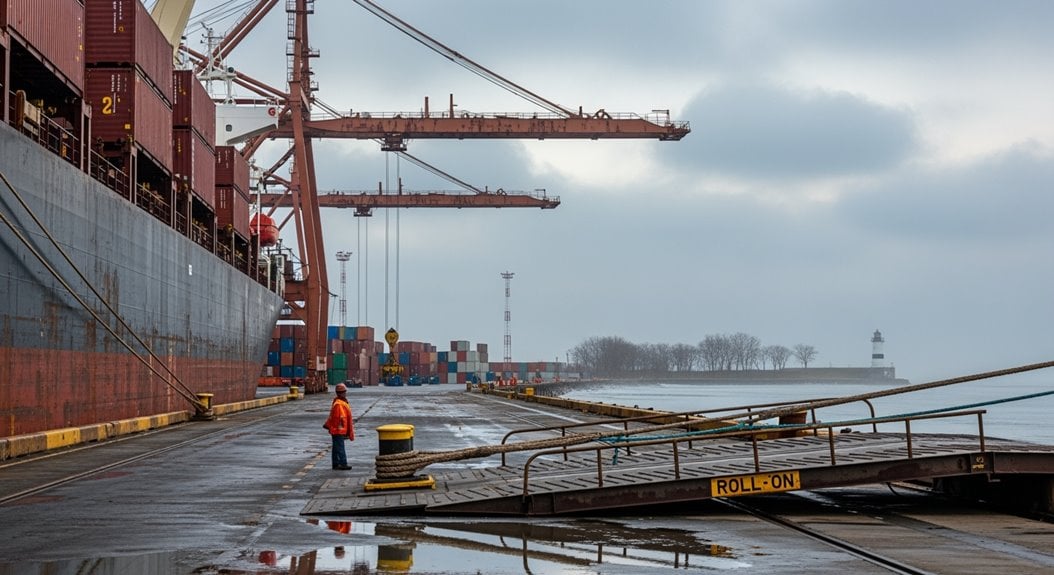
The Longshore and Harbor Workers’ Compensation Act provides federal protection for workers injured while performing maritime work on navigable waters or adjacent shore areas like docks, piers, and shipyards.
If you’ve been hurt while loading cargo, repairing vessels, or handling maritime equipment in Indiana’s ports along Lake Michigan or the Ohio River, you need to understand whether LHWCA covers your injury and what benefits you’re entitled to receive.
This federal law operates differently from state workers’ compensation and other maritime protections like the Jones Act, creating specific requirements and advantages that directly affect your claim’s value and process.
Under the LHWCA, injured maritime workers may receive medical care with no copays and wage-replacement disability benefits that are adjusted annually based on the National Average Weekly Wage.
What is LHWCA Coverage?
Following your injury at an Indiana maritime facility, understanding LHWCA coverage determines whether you can receive compensation for medical expenses, lost wages, and disability benefits.
The Act provides all-encompassing benefits without coverage limits for qualifying injuries, meaning you’ll receive full medical treatment costs and wage replacement based on your actual earnings.
Claimant eligibility depends on your job duties and work location rather than your employer’s classification. If you worked on navigable waters or in adjoining areas like docks, piers, or terminals when injured, you likely qualify for LHWCA protection. Coverage extends to both permanent and temporary maritime workers. The LHWCA provides medical, wage loss, and vocational rehabilitation benefits administered by the OWCP and DLHWC.
Who Qualifies for LHWCA Benefits?
Because LHWCA benefits hinge on specific work location and job duty requirements, you’ll need to meet both the “status” and “situs” tests to qualify for compensation.
The status test confirms you’re a maritime employee, not a master or crew member of a vessel. The situs test verifies your injury occurred on navigable waters or in adjoining areas like piers, docks, or terminals used for maritime activities. Understanding these eligibility criteria proves essential when filing your claim.
If you’re fatally injured, dependent coverage extends to your spouse and children, providing them necessary financial support. Covered sites include navigable waters, piers, wharves, docks, dry docks, terminals, shipyards, marine railways, and adjoining areas customarily used for loading, unloading, repairing, or building vessels.
How Does LHWCA Differ from Other Maritime Laws?
While Jones Act protections apply exclusively to seamen who spend most of their work time aboard vessels, LHWCA covers shoreside maritime workers who don’t meet that threshold.
Understanding comparative jurisdiction becomes essential when determining which law governs your claim. The Jones Act allows injured seamen to sue employers for negligence, while LHWCA provides no-fault workers’ compensation benefits without proving employer wrongdoing.
Benefit interaction occurs when multiple maritime laws potentially apply to your situation. You’ll receive compensation through whichever statute covers your employment classification. Our attorneys analyze your work duties and injury location to identify the strongest legal pathway for maximum recovery.
Major Ports and Maritime Facilities in Indiana
Burns Harbor
Located on Lake Michigan in Portage, Indiana, Burns Harbor serves as the state’s primary deep-water port facility. The port supports major steel manufacturers and handles significant volumes of iron ore, coal, and other bulk commodities. It operates as a critical gateway for international and domestic shipping in the Great Lakes region, serving industries including steel production, manufacturing, and agriculture.
Burns Harbor processed approximately 8 million tons of cargo in 2024, accounting for the majority of Indiana’s Lake Michigan maritime traffic. The facility supports over 6,000 jobs directly and indirectly, with operations serving clients across multiple states. Recent infrastructure investments have enhanced cargo handling capabilities and expanded storage capacity, contributing to the port’s strong economic impact on the surrounding Northwest Indiana region.
Mount Vernon
Situated along the Ohio River in southwestern Indiana, the Port of Mount Vernon provides multimodal transportation access combining river, rail, and highway connections. The facility specializes in bulk commodities including agricultural products, coal, minerals, and breakbulk cargo. Major operators at the port include grain exporters, coal transloaders, and manufacturing companies utilizing the strategic river access for cost-effective shipping.
The Port of Mount Vernon handled approximately 3 million tons of cargo in 2024, maintaining its position as one of the busiest Ohio River facilities in Indiana. The port supports over 2,500 jobs in the region and generates substantial economic impact through its diverse cargo operations. Ongoing modernization projects have improved rail connections and expanded warehousing capabilities to accommodate growing demand.
Jeffersonville
Located on the Ohio River across from Louisville, Kentucky, the Port of Jeffersonville serves the greater Louisville metropolitan area with access to river transportation. The facility handles diverse cargo including steel products, construction materials, and general breakbulk commodities. The port’s proximity to major interstate highways and rail networks makes it an important logistics hub for southern Indiana manufacturing and distribution operations.
Jeffersonville moved approximately 2 million tons of cargo in 2024, supporting over 1,500 jobs in the immediate area. The port provides essential shipping services to companies throughout the region and contributes significantly to the local economy through direct operations and related logistics activities. Strategic investments in infrastructure continue to enhance the port’s capacity and operational efficiency.
Across these facilities, federal datasets such as the Principal Ports file and the National Waterway Network provide standardized port polygons, link/node routing, and commodity tonnage summaries that support public reporting and analysis of waterborne commerce.

Common Longshore and Dock Worker Accidents in Indiana
Maritime operations at Indiana’s ports involve heavy machinery, hazardous cargo, and demanding physical labor that create significant injury risks for dock workers and longshoremen. Understanding these hazards helps you recognize when employers fail to maintain safe working conditions.
Common accidents include:
- Slip and fall incidents caused by wet surfaces, oil spills, and inadequate lighting on docks and vessel decks
- Crane and forklift accidents resulting from equipment failures or operator errors
- Cargo handling injuries including crush injuries and back strains from poor dock ergonomics
- Weather-related accidents stemming from insufficient weather preparedness during storms and icy conditions
OSHA’s marine terminal and longshoring guidance outlines required protections such as training, equipment inspections, and safe cargo-handling practices under the OSHA Compliance Guide, helping workers identify and report unsafe conditions.
Longshore and Port Worker Injury Statistics in Indiana
Workplace injuries strike Indiana’s longshore and port workers at alarming rates despite recent safety improvements across the state. Understanding worker demographics and injury trends helps you recognize the real risks you face on the job.
Key statistics affecting Indiana port workers:
- Transportation and material moving occupations recorded 53 workplace deaths in 2023, representing the highest fatality count statewide
- 36,235 federal longshore claims with lost time or injury were reported nationally in fiscal year 2023
- Workers aged 45-54 face elevated injury risks, along with employees in the 55-64 and 25-34 age ranges
- First-year workers account for 44% of construction claims
According to BLS data, national nonfatal occupational injury and illness incidence rates vary by industry, highlighting higher risk profiles for sectors relevant to longshore and port work.
Insurance companies know our reputation. They know we prepare every case for trial and we’ll go the distance when settlement offers fall short. We investigate thoroughly, build bulletproof cases, and aren’t afraid to take yours to court. That changes negotiations from the start.
Anytime. Anywhere. We’re Ready to Fight for You.
Compensation Available for Longshoremen in Indiana
When you're injured while working on Indiana's waterways or ports, the Longshore and Harbor Workers' Compensation Act provides specific categories of benefits designed to address both your immediate and long-term needs.
These benefits operate differently than standard workers' compensation, often providing more extensive coverage for maritime workers. Understanding what compensation you're entitled to can help you plan for your recovery and protect your family's financial security during this difficult time.
Medical Benefits
Under the Longshore and Harbor Workers' Compensation Act, injured longshoremen in Indiana receive full coverage for all medical treatment related to their work injuries without any out-of-pocket costs. You're entitled to choose your treating physician, and your employer must pay for all reasonable medical expenses, including doctor visits, surgeries, medications, physical therapy, and necessary medical equipment.
Insurance carriers sometimes interfere with treatment continuity by denying necessary care or delaying authorizations. Effective medical casework requires documentation of all treatment and immediate reporting of claim interference. You shouldn't accept gaps in care when ongoing treatment remains medically necessary for your recovery.
Disability Benefits
Because longshore work injuries often prevent you from earning your regular wages, the Longshore and Harbor Workers' Compensation Act provides several categories of disability compensation to replace your lost income. Temporary total disability covers you while you're completely unable to work during recovery.
Permanent partial disability compensates you if your injury results in lasting limitations. Permanent total disability provides ongoing benefits when your condition prevents any substantial gainful employment. The insurance carrier will arrange a disability evaluation to determine your work capacity. If retraining becomes necessary, vocational rehabilitation services help you move into suitable alternative employment within your physical restrictions.
Death Benefits
If a longshore worker dies from a work-related injury or occupational disease, the Longshore and Harbor Workers' Compensation Act provides death benefits to eligible surviving family members. Survivor benefits typically include weekly payments to spouses and dependent children, calculated as a percentage of the deceased worker's average weekly wage.
The Act also covers reasonable funeral expenses up to a statutory maximum. These benefits help families maintain financial stability during an incredibly difficult time. You'll need to file a claim within specific deadlines to preserve your rights. Our attorneys guide families through this process with compassion and determination.
Additional Damages
Beyond the standard weekly wage replacement and medical benefits provided under the Longshore and Harbor Workers' Compensation Act, injured longshoremen in Indiana may pursue additional compensation through third-party liability claims.
When another party's negligence caused your injury—such as defective equipment manufacturers or negligent contractors—you can seek damages beyond workers' compensation. These claims allow recovery for pain and suffering, emotional distress, and in cases of extreme misconduct, punitive damages designed to punish wrongdoers. Third-party lawsuits provide substantially greater compensation than Longshore benefits alone, addressing the full impact of your injuries on your life and family.
Statute of Limitations for Filing a LHWCA Claim
When you've suffered an injury while working on the docks, shipping terminals, or other maritime facilities covered under the Longshore and Harbor Workers' Compensation Act, time becomes a critical factor in protecting your rights. You must report your injury to your employer within 30 days and file your formal claim within one year of the accident or from when you became aware of your work-related condition.
Missing these statute deadlines can permanently bar your right to compensation. However, certain circumstances may allow claim tolling, which pauses or extends these time limits. Don't risk losing your benefits by waiting.
Get Results
Each one of our lawyers is a skilled and experienced litigator and negotiator. We never recommend settling your case when trial presents a better opportunity for recovery.



Why Do I Need a Longshoremen Workers Comp Injury Lawyer?
Although the Longshore and Harbor Workers' Compensation Act provides important protections for injured maritime workers, maneuvering its complex procedures without legal representation puts you at a significant disadvantage. Insurance carriers employ experienced attorneys who understand how to minimize payouts. You need equally skilled representation to counter their tactics.
An experienced longshore attorney handles evidence preservation immediately after your accident, protecting vital documentation and witness statements before they disappear. Your lawyer develops a all-encompassing settlement strategy based on the full extent of your injuries, lost wages, and future medical needs. Without this expertise, you'll likely accept far less compensation than you deserve.
Why Choose Grossman Attorneys for Your Indiana LHWCA Claim
When you're injured while working in Indiana's maritime industry, you need attorneys who won't back down from insurance companies or accept less than full compensation for your injuries.
Grossman Attorneys at Law is a respected maritime law firm with over 40 years of experience representing injured workers across the nation. Our maritime attorneys have secured substantial settlements and verdicts in cases ranging from Defense Base Act claims to longshoremen workers' comp injury cases and offshore accidents. We understand the complex laws that govern these claims and stand ready to take your case to trial when insurance companies fail to offer the fair compensation you deserve.
Aggressive But Fair Representation
Maritime employers and their insurance carriers count on injured workers accepting the first settlement offer that crosses the table. They hope you'll settle quickly for less than you deserve.
Our approach combines assertive negotiation with balanced advocacy, fighting vigorously for maximum compensation while maintaining professional relationships with opposing counsel. We're aggressive in protecting your rights but fair in our dealings.
This reputation means defense attorneys take our cases seriously from day one. When insurance companies see Grossman Attorneys on your file, they understand you're represented by a firm that won't back down and knows how to win.
Experienced, Compassionate Staff
Every member of our team understands that behind each LHWCA claim stands a real person dealing with physical pain, financial stress, and an uncertain future. Our staff receives ongoing training in trauma informed care, recognizing that workplace injuries affect every aspect of your life.
You'll work with the same dedicated team members throughout your case, ensuring staff continuity that eliminates the frustration of repeatedly explaining your situation. Our paralegals, case managers, and attorneys communicate clearly about your claim's progress, answering questions promptly and translating complex legal procedures into straightforward explanations you can actually understand.
A Track Record of Winning Longshore Claims
Our legal team's record in longshore cases demonstrates the difference between handling a claim and winning one. We've secured numerous multi-million-dollar settlements for injured maritime workers because we prepare every case for trial from day one. Insurance carriers recognize our commitment to the courtroom, which strengthens our Settlement Strategies notably.
Our Trial Experience spans over 40 years, representing injured workers against Fortune 500 companies and major insurers. Defense attorneys know we won't accept inadequate offers. This reputation translates directly into better outcomes for your claim. When you choose Grossman Attorneys, you're choosing proven results.
Injured at a Indiana Port? Let Grossman Attorneys Fight for Your LHWCA Compensation
If you or a loved one has suffered an injury while working at an Indiana port or maritime facility, you don't have to navigate the complexities of the Longshore and Harbor Workers' Compensation Act alone.
Grossman Attorneys at Law has been fighting for injured maritime workers across the United States for over 40 years, securing the maximum compensation our clients deserve. Our litigation-first approach means we're prepared to take your case to trial if insurance carriers refuse to offer fair settlements.
With our deep understanding of LHWCA claims and proven track record against major insurance companies, we stand ready to protect your rights and financial future. Contact Grossman Attorneys today to speak with an experienced LHWCA attorney who'll fight tirelessly for your compensation.
*If you hire Grossman Attorneys for your LHWCA case, you pay no attorney fees for our service. When we win your case, the employer or its insurer typically pays a DOL-approved attorney’s fee and any case expenses we advanced are reimbursed from the recovery. If we don't win, you pay nothing.
- https://businessviewmagazine.com/the-ports-of-indiana-2/
- http://buildingindiana.com/stories/national-port-rankings-place-indiana-1
- https://www.incontext.indiana.edu/2003/mar-apr03/business.asp
- https://www.supplychaindive.com/news/ports-indiana-new-sea-container-terminal-chicago-lake-michigan-connection/721295/
- https://www.irpt.net/ports-of-indiana/
- https://swidc.org/site-spotlight/mount-vernon-megasite/
- https://www.portsofindiana.com/locations/
- https://en.wikipedia.org/wiki/Port_of_Indiana
- https://www.railwayage.com/intermodal/ports-of-indiana-marks-second-highest-cargo-year/
- https://www.in.gov/health/trauma-system/files/Drowning_Special_Emphasis_Report1.pdf