


Top Rated Louisiana Longshoreman injury Law Firm – Grossman Attorneys
If you’ve been injured working at a Louisiana port, shipyard, or dock, you need an attorney who understands the federal Longshore and Harbor Workers’ Compensation Act inside and out. The LHWCA provides important protections, but insurance carriers routinely deny valid claims or offer settlements far below what injured longshoremen deserve.
At Grossman Attorneys at Law, we’ve spent years mastering the complex federal process that governs longshore injury cases. We know how to build compelling claims, negotiate aggressively with insurance companies, and take your case to trial when they refuse to offer fair compensation. Your injury has already cost you enough in medical bills, lost wages, and physical pain. You shouldn’t have to fight this battle alone. Call us today for a free consultation and let us put our experience to work for your recovery.
Understanding the Longshore and Harbor Workers’ Compensation Act (LHWCA)
If you’ve been injured while working on Louisiana’s docks, shipyards, or navigable waterways, you’re likely covered under the Longshore and Harbor Workers’ Compensation Act (LHWCA). This federal law provides medical benefits and wage replacement to maritime workers who don’t qualify as seamen under the Jones Act.
Understanding how LHWCA coverage works, who qualifies for these benefits, and how this law differs from other maritime protections is essential to securing the full compensation you deserve after a workplace accident.
The LHWCA also includes special provisions extending coverage through the Defense Base Act, the District of Columbia Workmen’s Compensation Act, the Outer Continental Shelf Lands Act, and the Nonappropriated Fund Instrumentalities Act, as outlined in 20 CFR Part 704.
What is LHWCA Coverage?
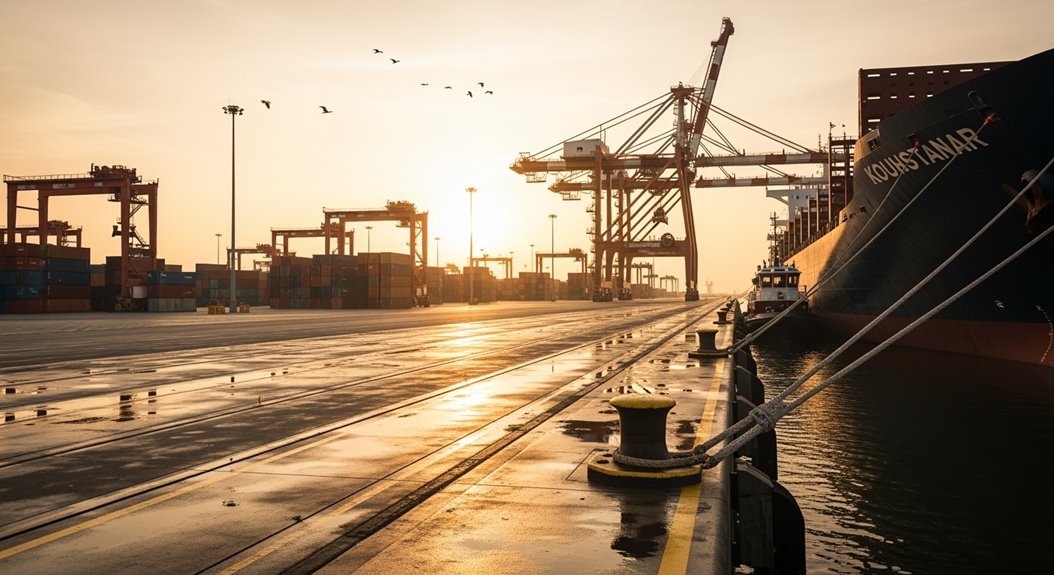
The Longshore and Harbor Workers’ Compensation Act (LHWCA) protects maritime workers who’ve been injured while working on navigable waters or in adjacent shore-based areas like docks, piers, and shipyards. The coverage basics include medical treatment, disability compensation, and vocational rehabilitation benefits. You’re covered if you’re loading cargo, repairing vessels, or performing maritime-related duties in these locations. However, exclusion scenarios exist. Eligibility is administered by the OWCP and its DLHWC, and coverage determinations can be case-specific, especially when injuries occur outside the U.S.
Who Qualifies for LHWCA Benefits?
When determining LHWCA eligibility, you’ll need to satisfy two critical tests: the status test and the situs test. The status test examines whether you’re an employee (not an independent contractor or vessel crewmember).
The situs test confirms your injury occurred on navigable waters or adjoining areas like docks, piers, terminals, or shipyards where loading, unloading, building, or repairing occurs. Meeting both eligibility criteria establishes covered employment under LHWCA. Covered sites also include dry docks, wharves, shipyards, marine railways, and other adjoining areas customarily used for vessel-related activities.
Louisiana’s extensive coastline and port facilities mean numerous workers qualify, from longshoremen to shipbuilders. Understanding these requirements helps determine whether you’re entitled to benefits after a maritime workplace injury.
How Does LHWCA Differ from Other Maritime Laws?
Maritime law encompasses several distinct statutes, each designed to protect specific categories of workers in different situations. The LHWCA provides workers’ compensation benefits regardless of fault, while the Jones Act requires seamen to prove negligence to recover damages. This difference in Comparative Jurisdiction markedly affects your legal strategy and potential recovery.
Compensation Differences are substantial: LHWCA benefits include medical coverage and partial wage replacement, whereas Jones Act claims can yield full damages including pain and suffering. Understanding which law applies to your situation determines your rights, benefits, and the approach your attorney will take when pursuing your claim.
Major Ports and Maritime Facilities in Louisiana
Port of South Louisiana
Located along 54 miles of the Mississippi River in LaPlace, this port facility spans St. Charles, St. John the Baptist, and St. James parishes between New Orleans and Baton Rouge.
Major operators include international shipping lines, grain exporters like Cargill and ADM, petrochemical companies, and steel manufacturers. The port specializes in break bulk cargo, grain exports, petroleum products, chemicals, and steel commodities. The Port of South Louisiana ranks first nationally in total cargo volume, handling over 248 million short tons annually with a total trade value exceeding $73 billion.
The facility directly and indirectly supports over 34,000 jobs throughout the region and generates approximately $17.5 billion in economic output for Louisiana. Recent infrastructure investments include $100 million in expansion projects focusing on modernizing terminals and improving intermodal connections. The port’s activity is reflected in WCUS Annual Report statistics that combine domestic and foreign tonnage by region and waterway.
Port of Greater Baton Rouge
Situated approximately 230 miles inland from the Gulf of Mexico along the Mississippi River, this deepwater port serves the state capital region and benefits from direct access to major industrial corridors.
ExxonMobil, Dow Chemical, Shintech, and numerous grain exporters maintain significant operations at the facility. The port handles liquid and dry bulk commodities, petroleum products, chemicals, grain, and manufacturing cargo. The port handles approximately 60-70 million tons of cargo annually, ranking among the top 10 inland ports in the United States by tonnage.
The facility supports over 13,000 direct and indirect jobs in the Capital Region and contributes more than $1.3 billion to the local economy. The port authority has invested over $50 million in recent years toward infrastructure improvements including wharf rehabilitation and enhanced rail connectivity.
Port of Lake Charles
Located in southwest Louisiana along the Calcasieu Ship Channel, this port provides Gulf access approximately 35 miles inland from the coast.
Major operators include Cheniere Energy’s LNG export facility, Sasol Chemicals, Westlake Chemical, and Phillips 66. The port specializes in liquefied natural gas (LNG) exports, petrochemicals, refined petroleum products, and project cargo supporting the region’s industrial base. Lake Charles ranks as the 10th-busiest port district in the United States, handling over 60 million tons of cargo annually.
The port supports approximately 30,000 direct and indirect jobs and generates an estimated $28 billion in economic activity for the region. The Cheniere LNG facility alone represents a $10 billion investment and has positioned Lake Charles as a leading natural gas export hub with capacity exceeding 20 million tons per annum.
Port of New Orleans
Positioned along the Mississippi River approximately 100 miles upstream from the Gulf of Mexico, this historic port serves as Louisiana’s primary container and general cargo gateway.
Major shipping lines including CMA CGM, MSC, and Hapag-Lloyd operate regular services through the facility. The port handles containerized cargo, breakbulk commodities, steel, coffee, rubber, project cargo, and cruise operations. The Port of New Orleans operates 40 active berths and handles approximately 500,000 twenty-foot equivalent units (TEUs) of containers annually along with 10 million tons of additional cargo.
The port supports over 13,500 direct jobs and contributes more than $3.4 billion in economic impact to the region. Recent infrastructure investments exceed $150 million, including modernization of the Nashville Avenue Container Terminal and expansion of on-dock rail capabilities.
Port Fourchon
Located on the Louisiana Gulf Coast at the southern terminus of Bayou Lafourche in Lafourche Parish, this deepwater port provides the closest offshore oil and gas service base to Gulf drilling operations.
Tenants include major offshore service companies such as Edison Chouest Offshore, Schlumberger, Halliburton, and numerous supply vessel operators. The port specializes in offshore energy support services, supplying approximately 90% of Gulf of Mexico deepwater drilling operations. Port Fourchon handles over 18% of the nation’s daily oil supply and serves more than 300 offshore platforms and drilling rigs.
The facility supports approximately 20,000 direct and indirect jobs and contributes an estimated $2.5 billion annually to Louisiana’s economy. Louisiana’s Fourchon Port Commission has invested over $250 million in hurricane protection, channel deepening, and infrastructure improvements to maintain the port’s critical energy infrastructure role.
Common Longshore and Dock Worker Accidents in Louisiana
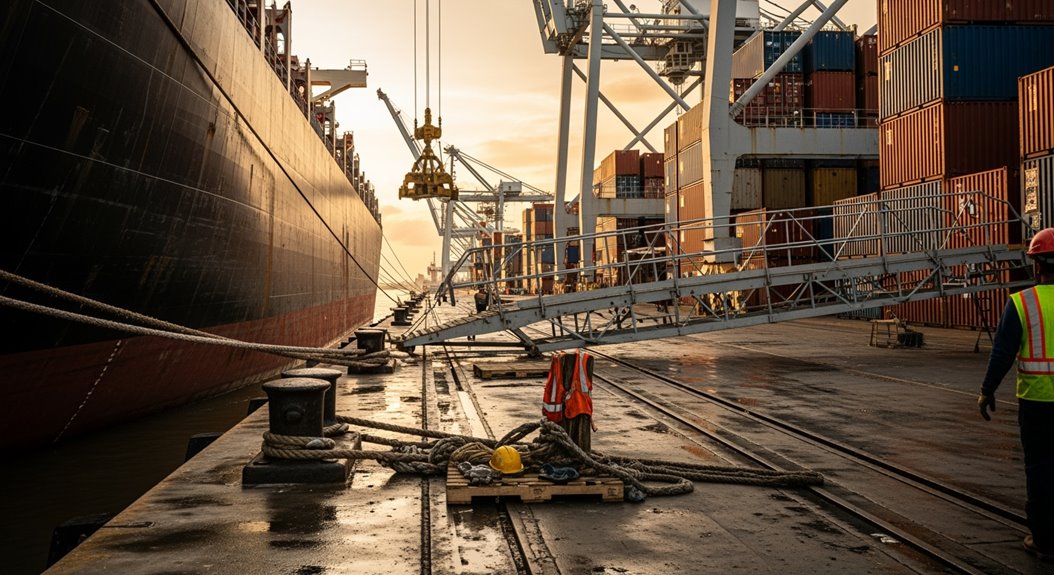
Working on the docks, vessels, and port facilities throughout Louisiana exposes longshoremen and maritime workers to some of the most hazardous conditions in any industry.
You face daily risks that can result in life-altering injuries:
- Slip hazards from wet decks, oil spills, and weather-exposed surfaces causing falls and fractures
- Crane and equipment malfunctions leading to crush injuries or amputations
- Ladder safety violations resulting in falls from height and head trauma
- Chemical exposures during cargo handling causing burns or respiratory illness
- Overexertion injuries from repetitive lifting and manual cargo operations
These accidents often stem from inadequate training or employer negligence. OSHA highlights additional terminal-specific hazards—such as struck-by incidents, vehicle operations, and container handling—along with guidance and training resources on longshoring safety.
Longshore and Port Worker Injury Statistics in Louisiana
When you work on Louisiana’s docks and port facilities, you’re entering one of the nation’s most dangerous workplaces.
Maritime work carries a fatality rate six times higher than the national average across all professions.
The statistics reveal serious concerns:
- 5,000 non-fatal injuries occur annually per 100,000 longshore and marine terminal workers nationwide
- Louisiana reported 104 fatal occupational injuries in 2023 across all industries
- Heavy machinery accidents and falls remain primary hazards
- Harbor ergonomics issues contribute to physical strain injuries
- Shift fatigue increases accident risks during extended work periods
These numbers underscore why specialized legal representation matters for injured maritime workers. According to BLS data, the national rate of nonfatal workplace injuries and illnesses varies by industry, with incidence rates helping contextualize risks faced by longshore and port workers.
Insurance companies know our reputation. They know we prepare every case for trial and we’ll go the distance when settlement offers fall short. We investigate thoroughly, build bulletproof cases, and aren’t afraid to take yours to court. That changes negotiations from the start.
Anytime. Anywhere. We’re Ready to Fight for You.
Compensation Available for Longshoremen in Louisiana
If you've suffered injuries while working on Louisiana's docks, ports, or waterways, the Longshore and Harbor Workers' Compensation Act provides several types of financial recovery to help you through this difficult time.
Understanding what compensation you're entitled to can help you plan for your medical care and financial stability while you focus on recovery. The LHWCA guarantees that injured maritime workers receive benefits covering medical treatment, lost wages, and in tragic cases, support for surviving family members.
Medical Benefits
Medical treatment under the Longshore and Harbor Workers' Compensation Act provides all-encompassing healthcare coverage for injured maritime workers in Louisiana, ensuring you receive necessary care without out-of-pocket expenses.
Your employer's insurance carrier must authorize and pay for all reasonable medical treatment related to your workplace injury. This includes doctor visits, hospital stays, surgeries, prescription medications, physical therapy, and medical equipment.
However, treatment disputes often arise when insurers deny necessary care or limit medical referrals to specialists. If your employer restricts access to appropriate medical providers, you have legal rights to challenge these limitations and obtain proper treatment.
Disability Benefits
Louisiana longshoremen injured on the job become eligible for disability compensation that replaces a portion of lost wages during recovery.You'll receive temporary disability payments while you can't work, calculated at two-thirds of your average weekly wage. These benefits continue until you're medically cleared to return to work or reach maximum medical improvement—the point where your condition stabilizes.
If you can't return to your previous position, you're entitled to vocational rehabilitation services that provide job retraining and placement assistance. Permanent disability benefits may apply when injuries cause lasting impairment affecting your earning capacity.
Death Benefits
When a longshore accident proves fatal, the Longshore and Harbor Workers' Compensation Act provides death benefits to surviving family members who depended on the worker's income.
These survivor benefits typically equal two-thirds of the deceased worker's average weekly wage, distributed among eligible dependents. Spouses and children qualify for compensation until the child reaches eighteen or the spouse remarries. The Act also covers funeral costs up to $3,000. You'll need to file a claim within one year of the death.
Our firm understands the devastating impact of losing a family provider and fights to secure every benefit you're entitled to receive.
Additional Damages
Beyond standard Longshore Act benefits, injured Louisiana longshoremen may qualify for additional damages in specific circumstances that substantially increase total compensation.
If your employer's gross negligence caused your injuries, you might pursue punitive awards designed to punish especially reckless conduct. When accidents result from intentional misconduct or egregious safety violations, these damages can markedly exceed your standard benefits.
You're also entitled to compensation for emotional distress when psychological harm accompanies your physical injuries. Anxiety, depression, and post-traumatic stress following maritime accidents warrant separate recognition. These additional damages require strategic litigation, insurance carriers won't offer them voluntarily.
Statute of Limitations for Filing a LHWCA Claim
Time limits matter materially when pursuing compensation under the Longshore and Harbor Workers' Compensation Act, and missing these deadlines can permanently destroy your right to benefits.
You must notify your employer of your injury within 30 days and file your claim within one year of the accident or when you discovered your work-related condition. These filing deadlines are strict, though exceptions exist. Claim tolling may pause these time limits in specific circumstances, such as when your employer provides voluntary payments or when fraud prevents you from knowing your rights. Louisiana's longshore attorneys can protect your interests immediately.
Get Results
Each one of our lawyers is a skilled and experienced litigator and negotiator. We never recommend settling your case when trial presents a better opportunity for recovery.



Why Do I Need a Longshoremen Workers Comp Injury Lawyer?
Although the Longshore and Harbor Workers' Compensation Act exists to protect injured maritime workers, maneuvering its complex requirements without experienced legal representation puts your financial recovery at serious risk.
Insurance carriers employ specialized defense teams who understand jurisdictional nuances that determine whether your claim falls under LHWCA coverage. Without an attorney protecting your interests and maintaining client confidentiality, you're negotiating against professionals trained to minimize payouts.
A qualified longshore lawyer levels this imbalance, ensuring you receive maximum compensation while handling procedural requirements, gathering evidence, and challenging denied claims. Your focus should remain on recovery, not legal complexities.
Why Choose Grossman Attorneys for Your Louisiana LHWCA Claim
When you're injured on the job and facing the complex federal LHWCA claims process, you need attorneys who'll fight aggressively for maximum compensation while treating you with the respect and compassion you deserve.
Grossman Attorneys at Law is a respected maritime law firm with over 40 years of experience representing injured workers across the nation. Our maritime injury attorneys have secured substantial settlements and verdicts in cases ranging from Defense Base Act claims to longshoremen workers' comp injury cases and offshore accidents. We understand the complex laws that govern these claims and stand ready to take your case to trial when insurance companies fail to offer the fair compensation you deserve.
Aggressive But Fair Representation
Insurance companies and defense attorneys approach Longshore and Harbor Workers' Compensation Act claims with one objective: minimizing what they pay you.
That's why you need zealous advocacy that fights for full compensation while respecting ethical boundaries. At Grossman Attorneys, we've built our reputation on aggressive representation that never crosses into dishonest tactics.
Our strategic negotiation approach combines thorough case preparation with proven courtroom skills. We maintain transparent client communication throughout your case, explaining each development and decision.
When insurance carriers recognize your attorney won't settle for less than you deserve, they adjust their offers accordingly. That's the Grossman difference.
Experienced, Compassionate Staff
Every member of our legal team understands that behind each LHWCA claim stands a person facing medical bills, lost income, and uncertainty about their future. Our compassionate intake specialists take time to listen to your story without rushing you through a checklist.
You'll work with experienced advocates who've handled hundreds of maritime injury cases and know how to navigate the federal system efficiently. We explain each step in plain language, answer questions promptly, and keep you informed throughout the process. You're not just another case number. You're someone who deserves dedicated attention and genuine support.
A Track Record of Winning Longshore Claims
Compassion matters, but results determine whether you receive the compensation you need to rebuild your life. Grossman Attorneys has secured numerous multi-million-dollar settlements through pre-trial victories and jury verdicts for injured Louisiana maritime workers.
Defense attorneys and insurance carriers recognize our litigation-first approach and thorough case preparation. We don't accept inadequate settlements. With over 40 years of longshore litigation experience, we've successfully represented dock workers and longshoremen against Fortune 500 companies and major insurers.
Our track record speaks clearly: we're willing to take your case to trial and fight for maximum compensation.
Injured at a Louisiana Port? Let Grossman Attorneys Fight for Your LHWCA Compensation
If you or a loved one has been injured while working at a Louisiana port, you don't have to face the complex LHWCA claims process alone.
Grossman Attorneys at Law has spent over four decades securing maximum compensation for injured maritime workers nationwide. we recognize the physical, emotional, and financial toll these injuries take on workers and their families.
Our litigation-first approach means insurance companies know we're prepared to take your case to trial if they refuse to offer fair compensation. Don't settle for less than you deserve.
Contact Grossman Attorneys today to speak with an experienced LHWCA attorney who'll fight tirelessly to protect your rights and secure the full benefits you're entitled to under the law.
*If you hire Grossman Attorneys for your LHWCA case, you pay no attorney fees for our service. When we win your case, the employer or its insurer typically pays a DOL-approved attorney’s fee and any case expenses we advanced are reimbursed from the recovery. If we don't win, you pay nothing.
- https://portlc.com
- https://dotd.la.gov/media/cy1gyp2o/2024-lla-louisianas-public-port-system.pdf
- https://portnola.com/business/cargo/terminals
- https://www.portgbr.com/about-overview
- https://portsl.com/overview/
- https://www.portgbr.com
- https://portnola.com/business/private-maritime-facilities
- https://dotd.la.gov/media/qqdkbe0t/2024-lla-profiles-of-public-ports.pdf
- https://www.portsoflouisiana.org/port-locations