


Top Rated Maine Defense Base Act Law Firm – Grossman Attorneys
If you suffered an injury while working abroad as a Maine contractor supporting U.S. military operations or defense projects, the Defense Base Act protects your right to compensation. This federal law covers civilian employees who work on overseas bases, at embassies, and on foreign construction sites tied to American defense. If you were injured while working overseas for a Maine defense contractor like BAE Systems, Bath Iron Works, or General Dynamics, the Defense Base Act covers your claim.
However, insurance companies often deny or undervalue these claims, leaving injured workers without the medical care and disability benefits they deserve.
Grossman Attorneys at Law brings decades of Defense Base Act experience and a proven track record of securing favorable settlements with insurers. Because DBA law requires insurance carriers to pay attorney fees, our clients pay nothing out of pocket. We understand how overwhelming it is to face a serious injury while far from home. Contact us today for a free consultation about your Defense Base Act claim.
What is the Defense Base Act?
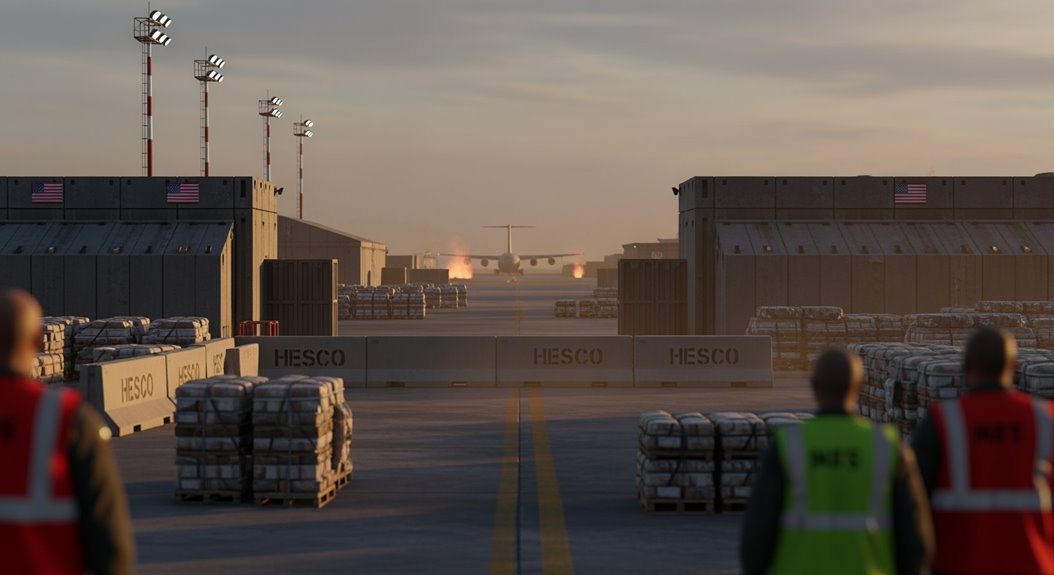
When you accept a position with a defense contractor working on overseas military bases or government projects, federal law provides you with workers’ compensation protection through the Defense Base Act. Employers and their subcontractors are required to secure this coverage, often through single-source programs, to ensure compliance with federal mandates.
Understanding this coverage starts with knowing its foundation. The Act’s historical origins trace back to August 16, 1941, when Congress passed the Defense Base Act (Public Law 77-208) recognizing civilian contractors needed injury protection while supporting military operations abroad.
Today, its jurisdiction scope covers three primary categories:
- Work performed on U.S. military bases outside the United States
- Public work contracts with any U.S. government agency for national defense
- Contracts approved under the Foreign Assistance Act of 1961
Administered by the Department of Labor’s Office of Workers’ Compensation Programs, the Act extends Longshore and Harbor Workers’ Compensation Act protections to civilian contractors serving overseas.
DBA Insurance Coverage for Overseas Contractors from Maine
If you’re a Maine resident who was injured while working overseas for a U.S. government contractor, your employer’s DBA insurance should cover your claim regardless of where the injury occurred.
The Defense Base Act requires most contractors working on U.S. military bases, embassy construction projects, and other government-funded operations abroad to maintain this specialized workers’ compensation coverage for their employees. Employers must also meet posting obligations to notify workers of coverage and claims procedures under the DBA.
Understanding which types of employment fall under DBA protection will help you determine whether you’re eligible for medical treatment and wage replacement benefits through your employer’s insurance carrier.
You can find official guidance on coverage, benefits, and claims through the Department of Labor’s Defense Base Act hub, which includes resources on eligibility, insurance requirements, and legal references.
Types of Employment Covered Under DBA Insurance
Defense Base Act insurance extends beyond combat zone deployments to cover a broad range of contractor employment categories that support U.S. government operations overseas. Whether you’re working full-time on a military installation or providing specialized services on a temporary basis, your employment likely qualifies for DBA coverage. Coverage applies to employees working on U.S. defense or public works contracts abroad, including those in Kuwait, and extends to both American citizens and local nationals.
Coverage includes:
- Full-time contractors stationed at overseas bases or government facilities
- Seasonal employees deployed for specific project durations or operational periods
- Remote contractors providing technical support, logistics coordination, or consulting services from international locations
Your employment structure doesn’t limit your rights. DBA protection follows the work location and government contract connection. This includes coverage for death benefits, enabling eligible survivors to receive compensation when a loved one is killed during qualifying overseas contracts.

How Our Maine DBA Claim Attorneys Can Help
Maine DBA claim attorneys provide legal representation to injured overseas workers by handling evidence collection, insurance negotiations, and appeals while you focus on recovery. Because DBA disputes can involve contested medical opinions and causation, we help you navigate administrative hearings and appeals to secure your benefits.
When you’re recovering from an overseas injury while managing a complex DBA claim, you shouldn’t have to face insurance companies and their defense attorneys alone. Our Maine DBA claim attorneys step in to level the playing field by gathering the evidence that proves your case, representing you through every hearing and appeal, and fighting to secure the full compensation you’re entitled to under the law.
We handle the legal battles so you can focus on your recovery and your family.
Because the Defense Base Act has strict filing deadlines and procedural rules, we guide you through meeting DBA requirements and countering insurer tactics to help protect your rights and maximize benefits.
Gather and Preserve Critical Evidence
Insurance companies begin building their defense the moment they receive notice of your claim, making it essential to have experienced legal representation working just as quickly to protect your interests. Our attorneys immediately establish a secure evidence chain by obtaining incident reports, medical records, employment documentation, and communications with your employer. We also advise on critical timelines, including the one-year statute for filing disability claims and the two-year period for occupational disease claims, so evidence gathering aligns with the deadlines that can impact your benefits.
We locate and interview witnesses within 48-72 hours while memories remain fresh, documenting their accounts through detailed witness statements. We’ll photograph your injuries, preserve surveillance footage, and collect maintenance records or safety reports.
This rapid response prevents critical evidence from disappearing and strengthens your claim before insurers can construct defenses that minimize your compensation. Because third-party administrators like Gallagher Bassett often conduct extensive investigations and use tactics to minimize payouts on DBA claims, having counsel move quickly to gather and preserve evidence is critical to protect your rights.
Represent You in Hearings and Appeals
Your claim doesn’t end with the initial decision from the insurance carrier or claims administrator.
If your benefits are reduced or denied, we’ll represent you at formal hearings before administrative law judges. We prepare thorough oral arguments, present medical evidence, and cross-examine opposing witnesses to strengthen your case.
Our attorneys understand proper record preservation, ensuring every document, testimony, and exhibit is correctly entered into the hearing record. This meticulous approach is essential if your case requires appeals to higher courts. We’ve successfully represented Maine contractors through multiple appeal levels, securing benefits that were initially denied.
Maximize Your Compensation
Injured contractors frequently accept initial settlement offers without understanding their full entitlement to compensation under the Defense Base Act. Insurance carriers undervalue approximately 60-70% of initial DBA claims, counting on claimants to settle quickly without legal representation.
Maine DBA claim attorneys develop aggressive claim strategies tailored to your specific injuries and circumstances. We calculate the true value of your case by evaluating all medical costs, wage losses, disability ratings, and future care needs.
Settlement timing matters greatly. We’ll advise whether to negotiate now or pursue litigation to maximize your recovery. Our goal is securing every dollar you deserve under the Defense Base Act.
Get Results
Each one of our lawyers is a skilled and experienced litigator and negotiator. We never recommend settling your case when trial presents a better opportunity for recovery.



Insurance companies know our reputation. They know we prepare every case for trial and we’ll go the distance when settlement offers fall short. We investigate thoroughly, build bulletproof cases, and aren’t afraid to take yours to court. That changes negotiations from the start.
Anytime. Anywhere. We’re Ready to Fight for You.
U.S. Defense Contractors in Maine
Maine's defense industry employs over 47,000 workers across 370 companies, with a significant portion of these firms deploying civilian contractors to overseas military installations and government projects where Defense Base Act coverage applies.
You'll find Maine's largest defense presence at Bath Iron Works in Bath, where General Dynamics builds Arleigh Burke-class destroyers for the U.S. Navy's global fleet operations.
The state's defense sector also includes aerospace companies like Lockheed Martin and Northrop Grumman, specialty manufacturers such as Elmet Technologies producing tungsten alloys for military applications, and numerous small to mid-sized firms supplying components, technical services, and advanced textiles to U.S. forces stationed worldwide.
List of Major Defense Contractors in Maine
General Dynamics Bath Iron Works
Locations: Bath (Sagadahoc County)
Founded: 1884 (as Bath Iron Works, acquired by General Dynamics in 1995)
Website: https://www.gdbiw.com
General Dynamics Bath Iron Works is one of the U.S. Navy's primary shipbuilders, specializing in the construction and modernization of Arleigh Burke-class guided missile destroyers. These warships are deployed globally to support overseas military operations and missions.
If you worked at the Bath shipyard and were subsequently deployed overseas to support vessel testing, crew training, maintenance, or combat operations, your employment may qualify for Defense Base Act coverage.
The shipyard's direct connection to naval vessels used in international waters and foreign ports establishes the critical link between your Maine-based employer and overseas deployment.

Pratt & Whitney North Berwick
Locations: North Berwick (York County)
Founded: 1925 (North Berwick facility)
Website: https://www.prattwhitney.com
Pratt & Whitney's North Berwick facility manufactures precision components for military jet engines that power aircraft deployed worldwide. These engine parts are essential to fighter jets, transport aircraft, and other military aviation assets used in overseas operations across combat zones and allied bases.
Workers who transition from the Maine manufacturing facility to overseas assignments—whether for installation support, maintenance training, field testing, or technical assistance—are often covered under the Defense Base Act. The facility's role in the global military supply chain directly connects your employment to the defense mission abroad.
Elmet Technologies
Locations: Lewiston (Androscook County)
Founded: 1969
Website: https://www.elmet.com
Elmet Technologies is the sole U.S.-owned producer of pure tungsten and molybdenum products, supplying critical materials for munitions, aerospace components, and defense applications. Tungsten's unique properties make it indispensable for armor-piercing ammunition, missile components, and aircraft parts used in overseas military operations.
If your work involved material handling, quality control, logistics, or technical support that required deployment to foreign military installations, manufacturing sites abroad, or supply chain operations supporting the defense mission, you may establish Defense Base Act coverage. The company's position as a strategic defense supplier creates the necessary connection between domestic employment and overseas work.
Types of Injuries Covered by DBA Insurance
DBA insurance covers physical injuries from combat such as blast wounds and shrapnel damage, occupational diseases including respiratory conditions from burn pit exposure, psychological conditions like PTSD, and chronic deployment-related issues such as joint damage, hearing loss, or persistent pain. Combat and conflict injuries encompass wounds from explosions, gunfire, vehicle accidents, and other hazardous incidents in war zones and high-risk areas.
Occupational diseases develop from prolonged exposure to toxic substances in the work environment, with burn pit exposure being a documented cause of respiratory illnesses among contractors deployed to Iraq and Afghanistan between 2001 and 2014, according to Department of Veterans Affairs research on airborne hazards.
Psychological trauma and PTSD receive the same treatment as physical injuries under DBA coverage, meaning mental health conditions directly tied to deployment experiences qualify for medical benefits and disability compensation.
Chronic deployment-related conditions affect contractors who experience cumulative damage over time, including degenerative joint conditions, noise-induced hearing loss measured at 25 decibels or greater, and chronic pain syndromes that persist beyond 90 days.
Proper documentation of these conditions requires comprehensive medical records, specialist evaluations, and clear evidence linking the injury or illness to your overseas work, which strengthens your claim and ensures your benefits reflect the full scope of your medical needs.
Combat and Conflict Injuries
Combat and conflict-related injuries represent some of the most serious claims under the Defense Base Act federal workers' compensation system. Contractors who suffer combat injuries while supporting military operations in hostile environments receive coverage for medical treatment and disability benefits through DBA insurance.
These cases often involve complex battlefield medicine documentation and emergency care records from military facilities. Rocket attacks, improvised explosive devices, sniper fire, and vehicle ambushes create catastrophic injuries requiring immediate specialized treatment.
Insurance carriers sometimes dispute these claims despite clear coverage, making experienced legal representation essential for protecting your rights.
Occupational Diseases and Illnesses
Defense Base Act coverage extends far beyond immediate traumatic injuries to include occupational diseases and illnesses that develop over time from workplace exposures overseas.
You're protected if you've developed respiratory conditions from burn pit exposure, hearing loss from prolonged noise, or musculoskeletal disorders from poor workplace ergonomics at military installations. Chemical exposure, infectious diseases contracted in deployment zones, and conditions resulting from environmental hazards all qualify for DBA benefits.
These claims often require extensive medical documentation connecting your illness to specific occupational exposure during your overseas assignment. Grossman Attorneys understands how to establish these complex causal relationships.
Psychological Trauma and PTSD
If you've witnessed combat violence, experienced mortar attacks, or lived under constant threat while working on a military base overseas, the psychological wounds you carry are just as real and compensable as physical injuries under the Defense Base Act.
Your PTSD diagnosis qualifies for compensation, including ongoing psychiatric treatment and medication. Moral injury (the psychological distress from events that violate your core values) is covered.
Secondary trauma from witnessing colleagues' deaths or injuries creates valid claims. Insurance carriers frequently challenge psychological claims more aggressively than physical injuries, making experienced legal representation essential for securing the treatment and benefits you deserve.
Chronic Deployment-Related Conditions
When you've spent months or years working in harsh overseas environments, your body accumulates damage that doesn't always announce itself with a single dramatic injury.
Deployment fatigue manifests as chronic joint deterioration, hearing loss from constant noise exposure, respiratory conditions from burn pit smoke, and cumulative spinal damage from heavy lifting. Defense Base Act coverage extends to these gradual conditions, even when symptoms emerge after you've returned home.
Reintegration challenges often include persistent sleep disorders, chronic pain syndromes, and cardiovascular conditions linked to prolonged stress exposure. Documentation requires medical records connecting your conditions to specific overseas work environments and timelines.
Medical Facilities and Treatment for Maine DBA Claimants
After returning to Maine from an overseas deployment, accessing quality medical care is critical both for your recovery and your DBA claim.
Maine's healthcare system includes trauma centers and specialized facilities equipped to treat injuries common among defense contractors, including orthopedic trauma, traumatic brain injuries, and PTSD.
Understanding your medical rights under the DBA is essential—the insurance carrier must pay for all reasonable and necessary treatment related to your work injury.
Proper medical documentation from qualified providers strengthens your claim and ensures you receive appropriate care.
You can't be forced to accept inadequate treatment that fails to address your actual medical needs, making the choice of medical providers a crucial decision in your recovery.

Trauma Centers and Medical Facilities in Maine
From first response to follow-up care, knowing where to go in Maine can protect your health and your Defense Base Act claim. Use trauma mapping, a simple plan that matches injury severity to nearby hospitals, to move fast and document treatment.
Maine Medical Center
22 Bramhall Street
Portland, ME 04102
(207) 662-0111
Located in southern Maine's largest city, Maine Medical Center is the state's only Level I trauma center, providing the highest level of care with round-the-clock specialists available for immediate response to critical injuries. The facility handles the most severe cases and serves as the primary referral center for complex trauma throughout the state.
Northern Light Eastern Maine Medical Center
489 State Street
Bangor, ME 04401
(207) 973-7000
Serving central and northern Maine from Bangor, this Level II trauma center provides comprehensive emergency services and stabilization for serious injuries. The facility can handle most major trauma cases and transfers patients to higher-level care when specialized treatment is needed.
Central Maine Medical Center
300 Main Street
Lewiston, ME 04240
(207) 795-0111
Located in south-central Maine, this Level III trauma center offers emergency stabilization and initial management of trauma patients. The facility works in coordination with higher-level trauma centers to ensure appropriate transfer and continuity of care for severe injuries.
Rural access matters. LifeFlight and Maine EMS link smaller ERs to top centers, ensuring that even remote locations have rapid connection to comprehensive trauma care when needed.
Important Medical Rights Under the DBA
Understanding your medical rights under the Defense Base Act often determines whether you'll receive the treatment your injury requires or face months of denials and delays.
Your DBA medical rights include:
- Choosing your treating physician without requiring insurer approval for initial examinations
- Receiving necessary doctor referrals to specialists when your condition demands advanced care
- Having all reasonable medical billing paid directly by the insurance carrier without upfront costs to you
Insurance companies frequently challenge these rights by limiting treatment options, delaying authorization for specialists, or disputing billing charges. Knowing these protections helps you push back against improper denials.
DBA Benefits Available to Maine Residents
Maine residents injured while working overseas for defense contractors receive substantial benefits under the Defense Base Act that exceed basic workers' compensation coverage. These benefits include 100% coverage of all reasonable and necessary medical treatment, disability payments equal to 66.67% of your average weekly wage (subject to maximum rates adjusted annually by the Department of Labor), vocational rehabilitation services designed to restore earning capacity, and death benefits providing 50% of the deceased worker's wages to surviving spouses plus an additional 16.67% per child up to a maximum of 66.67% of wages for the family.
Understanding the specific benefit calculations under 33 U.S.C. § 908 guarantees you receive every dollar of compensation the law provides rather than accepting whatever the insurance company initially offers. The maximum weekly compensation rate for fiscal year 2024 stands at $1,809.91, while the minimum rate is $362.00, with actual payments determined by your pre-injury earnings and the severity of your disability rating assigned by an authorized physician under the American Medical Association's Guides to the Evaluation of Permanent Impairment.
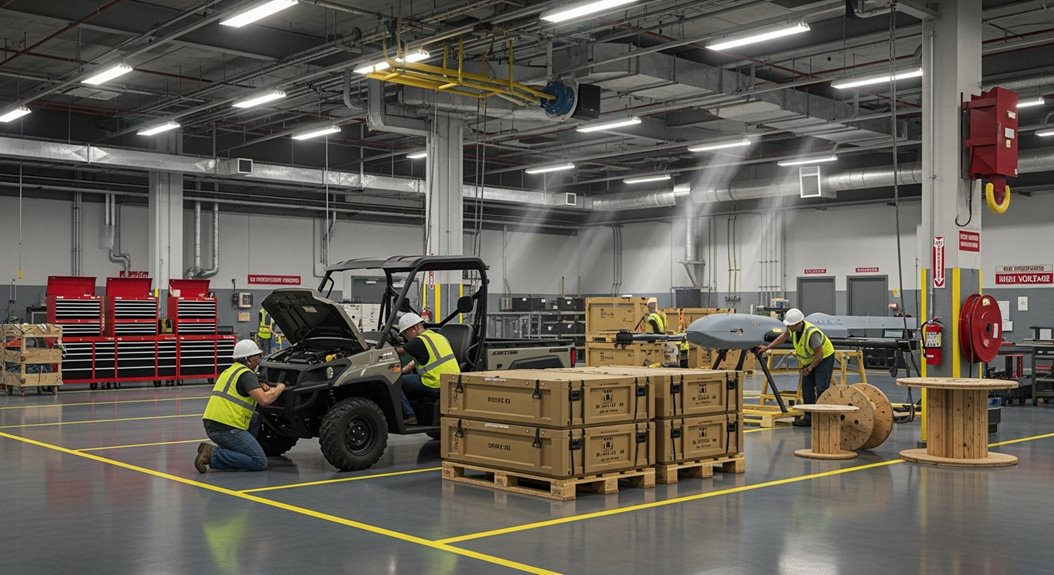
Medical Treatment and Rehabilitation
Recovering from a work injury sustained overseas requires access to all-encompassing medical care, yet Maine contractors frequently discover their DBA insurance carrier restricts their treatment options or denies authorization for necessary procedures.
You're entitled to thorough medical treatment covering surgeries, physical therapy, medications, prosthetics, and psychological counseling. The Act requires insurers to provide telehealth recovery services when you're located far from specialized providers.
Treatment must address both physical injuries and mental health conditions resulting from deployment trauma. Your benefits should include community reintegration programs helping you readjust to civilian life. Carriers often dispute expensive treatments, requiring legal intervention to secure authorization.
Disability Compensation Payment Rates
Your weekly disability compensation under the Defense Base Act depends on your average weekly wage before the injury and whether you're partially or totally disabled. Total disability pays two-thirds of your average weekly wage, subject to minimum and maximum rates set annually by the Department of Labor.
Partial disability compensation reflects your reduced earning capacity based on the difference between your pre-injury wages and your current earning ability. These benefits aren't subject to federal income tax under 26 U.S.C. Section 104(a)(1), giving you significant tax advantages worth weighing when evaluating settlement offers.
Understanding offset rules matters too, as receiving Social Security disability or state workers' compensation may reduce your DBA payments dollar-for-dollar in certain circumstances under the offset provisions in 33 U.S.C. Section 903(e).
Vocational Rehabilitation Services Available
Returning to work after a serious overseas injury isn't always possible in your previous role, which is exactly why the Defense Base Act requires insurance carriers to provide vocational rehabilitation services when you can't resume your former job duties. These services include vocational counseling to assess your transferable skills and identify suitable alternative careers based on your physical limitations and work experience.
You're entitled to job placement assistance that helps you secure new employment matching your post-injury capabilities. Insurance carriers must cover evaluation costs, retraining programs, and job search support to help you return to gainful employment.
Death Benefits for Families
Tragedy strikes when a defense contractor loses their life overseas, leaving families to navigate overwhelming grief while facing immediate financial uncertainty. The Defense Base Act provides death benefits to surviving spouses and dependents, including weekly compensation payments based on the contractor's wages. These benefits continue until remarriage for spouses or until children reach age 18 (or age 23 if enrolled as full-time students).
The DBA also covers burial expenses up to $3,000 and transportation costs to return your loved one home to Maine. Families shouldn't face bureaucratic battles alone during this devastating time. Grossman Attorneys understands the urgency of securing survivor support quickly.
Statute of Limitations for DBA Claims
When you've been injured working overseas for a defense contractor, the clock starts ticking on your right to file a Defense Base Act claim, and the deadlines are shorter than you might expect.
Critical DBA Filing Deadlines:
- Traumatic injuries: One year from when you connected your injury to work
- Occupational diseases (like PTSD or hearing loss): Two years from awareness
- Notice requirement: Generally 30 days after injury occurs
Statute nuances exist. Equitable tolling may pause deadlines if your employer concealed information or failed to post required notices. Missing these deadlines can permanently block your compensation, making immediate legal consultation essential.
Contact Our Maine Defense Base Act Law Firm Today for Help
If you or a loved one suffered an injury, illness, or psychological condition while working overseas on a U.S. military base or government contract, Grossman Attorneys at Law is here to help.
Whether you need to file a Defense Base Act claim, appeal a denial, fight unreasonable delays, or challenge an inadequate settlement offer, our experienced team will fight for the full compensation you deserve.
We've successfully represented over 300 contractors injured worldwide since our firm's founding, and our multilingual staff speaks English, Spanish, Creole, French, Russian, and Ukrainian to serve Maine's diverse contractor workforce.
Don't navigate the complex DBA claims process alone. Contact our firm today to speak with an experienced Defense Base Act attorney who'll aggressively advocate for your rights.
*If you hire Grossman Attorneys for your DBA case, you pay no attorney fees for our service. When we win your claim, the employer or its insurer typically pays a DOL-approved attorney’s fee and any case expenses we advanced are reimbursed from the recovery. If we don't win, you pay nothing.