


Top Rated South Carolina Defense Base Act Law Firm – Grossman Attorneys
Most South Carolina contractors injured while working on overseas military bases or government projects don’t realize the Defense Base Act provides separate federal coverage from standard workers’ compensation, with different rules and timelines that directly impact your benefits. If you were injured while working abroad for a South Carolina defense contractor like Fluor Corporation, AECOM, or KBR Inc., the Defense Base Act covers your claim. These cases involve complex federal procedures that operate independently of state law, and mistakes during filing can result in denied claims or reduced benefits.
Grossman Attorneys at Law has deep experience handling Defense Base Act claims and a strong track record negotiating with insurers to secure maximum benefits for injured contractors. Because insurers pay our legal fees under the DBA, our clients pay nothing out of pocket. We understand the physical, financial, and emotional challenges you’re facing after an overseas injury. Contact us today for a free consultation to discuss your Defense Base Act claim and learn how we can help you get the compensation you deserve.
What is the Defense Base Act?
The Defense Base Act is a federal workers’ compensation law that protects American civilians injured while working overseas on U.S. military bases, government contracts, and publicly funded projects. It also provides access to official benefits/claims resources through the Department of Labor’s DLHWC hub.
This law’s jurisdictional scope covers you whether you’re stationed in combat zones or peaceful allied nations.
The administrative process involves three key steps:
- Report your injury to your employer immediately
- File a claim with the Department of Labor
- Receive medical treatment and compensation benefits
If you’re a South Carolina resident who’s been injured while working abroad for a defense contractor, you’re likely covered under this federal protection regardless of where your injury occurred.
Enacted in 1941, the Defense Base Act extends the Longshore Act to cover civilian contractors working on U.S. defense bases and related public works overseas.

DBA Insurance Coverage for Overseas Contractors from South Carolina
South Carolina residents who worked overseas for defense contractors receive DBA insurance coverage for injuries sustained while performing work in support of U.S. military operations or government projects abroad. The Defense Base Act mandates that employers provide this coverage to workers on U.S. military bases, in war zones, and on public works contracts in over 100 countries and U.S. territories where American forces operate.
The embassy handout explains DBA coverage details, required insurance, available benefits, and how to report injuries and file claims for overseas contractor employees. Your employer’s DBA insurance carrier must provide coverage regardless of the geographic location of your injury or the specific tasks you performed, as long as your employment contract supported federal operations outside the United States. Understanding which employment situations qualify for DBA protection helps you recognize when you have a valid claim and can pursue compensation for your overseas work injury.
In general, prime contractors and their subcontractors must secure required DBA coverage, while certain entities are not responsible, and many employers obtain policies through single-source programs.
Types of Employment Covered Under DBA Insurance
Defense Base Act insurance covers specific categories of workers who perform services overseas for U.S. government contractors, protecting them from financial hardship if they sustain work-related injuries abroad.
Direct service employees working on military installations or government construction projects overseas qualify automatically for coverage. In limited circumstances, the Department of Labor may grant a DBA waiver, exempting certain employees or contracts when comparable local workers’ compensation protections are demonstrated.
Public works contractors building infrastructure for U.S. agencies abroad receive DBA protection regardless of their specific role. Welfare and morale employees providing services to military personnel, including food service workers and recreation staff, maintain coverage eligibility.
However, employment exclusions exist for certain government employees and individuals employed by specific foreign contractors.
DBA coverage also extends to employees traveling to and from qualifying worksites when transportation is funded by the employer or the U.S. government, reflecting the law’s broad protection for covered travel.
How Our South Carolina DBA Claim Attorneys Can Help
Our South Carolina DBA claim attorneys provide comprehensive legal representation that covers investigation, evidence gathering, administrative hearings, and appeals to secure the maximum compensation you deserve under the Defense Base Act.
When you’re navigating a Defense Base Act claim from South Carolina, you need attorneys who understand both the complex federal system and the unique challenges overseas contractors face. Our firm handles every aspect of your case, from building a strong evidentiary foundation to representing you before administrative law judges when insurance carriers deny or undervalue your claim. We leverage our knowledge of insurance company tactics to help protect your rights and position your claim for fair compensation.
According to the U.S. Department of Labor’s Office of Workers’ Compensation Programs, approximately 30-40% of DBA claims face initial denial or dispute by insurance carriers. We’re committed to securing full compensation for your injuries, lost wages, and medical treatment, not just accepting whatever the insurance company offers first. We also guide clients through filing LS-207 hearing requests and assembling medical and wage evidence when insurers deny benefits, ensuring your case is properly positioned for success before an administrative law judge.

Gather and Preserve Critical Evidence
Gathering and preserving critical evidence strengthens your Defense Base Act claim from the moment an injury or illness occurs. Our attorneys help you establish a solid evidence chain by documenting workplace conditions, securing incident reports, and obtaining witness statements from coworkers who observed your injury. Because Gallagher Bassett often handles DBA claims for employers as a large third-party administrator, we proactively counter their cost-minimizing tactics by building a comprehensive record that anticipates denials and delays tied to low payouts.
We’ll guide you through photographing injury sites, preserving medical records, and maintaining detailed journals of your symptoms and treatment. Insurance carriers dispute approximately 25-30% of Defense Base Act claims based on insufficient documentation, so we make certain every piece of evidence is properly collected, organized, and presented to support your case and maximize your compensation. Because disputes often hinge on causation and medical opinions, we also coordinate expert evaluations and align your records with DBA benefits criteria to reinforce the work-related nature and extent of your injury.
Represent You in Hearings and Appeals
Experienced legal representation in hearings and appeals ensures insurance carriers and defense attorneys take your claim seriously.
When your claim gets denied or benefits are terminated, we’ll develop a thorough hearing strategy to present compelling medical evidence and witness testimony before an administrative law judge.
If the initial decision doesn’t favor you, we’ll navigate strict appeal timelines to file necessary paperwork with the Benefits Review Board or federal courts.
Our litigation-first approach means we’re prepared to fight at every level. Insurance companies know we won’t accept inadequate outcomes, which strengthens your position throughout the appeals process.
Maximize Your Compensation
Injured contractors frequently leave substantial compensation on the table because they don’t understand the full scope of benefits available under the Defense Base Act.
We employ proven claim strategies to identify every benefit category you qualify for, from permanent disability ratings to vocational rehabilitation services. Our settlement negotiation approach focuses on long-term medical needs and wage loss projections, not just immediate expenses.
We calculate future treatment costs, account for reduced earning capacity, and pursue compensation for psychological conditions often overlooked by insurance adjusters. Our experience with complex DBA cases means we recognize exactly what your claim is truly worth.
Get Results
Each one of our lawyers is a skilled and experienced litigator and negotiator. We never recommend settling your case when trial presents a better opportunity for recovery.



Insurance companies know our reputation. They know we prepare every case for trial and we’ll go the distance when settlement offers fall short. We investigate thoroughly, build bulletproof cases, and aren’t afraid to take yours to court. That changes negotiations from the start.
Anytime. Anywhere. We’re Ready to Fight for You.
U.S. Defense Contractors in South Carolina
South Carolina's defense industry employs approximately 23,000 workers across aerospace, cybersecurity, shipbuilding, and military logistics companies that regularly deploy personnel to overseas locations.
If you're working for one of these contractors at a foreign military base or government project site, you're likely covered under the Defense Base Act regardless of where your injury occurs.
Understanding which South Carolina companies maintain DBA insurance helps you recognize your eligibility and rights when injuries happen abroad.
List of Major Defense Contractors in South Carolina
From aerospace giants to specialized defense innovators, South Carolina hosts contractors whose work often sends local employees overseas in support of U.S. missions. You'll see major Defense suppliers engaged in Military manufacturing and sustainment that can place you on foreign flight lines or bases.
Key names include Davis Defense Group in North Charleston, Lockheed Martin's Greenville site, Boeing South Carolina, Northrop Grumman operations, and Leonardo DRS in Goose Creek.
Lockheed Martin Greenville Operations
Locations: Greenville (Greenville County)
Founded: 1995 (as Lockheed Martin; facility history dates earlier)
Website: https://www.lockheedmartin.com
This facility specializes in aircraft sustainment and upgrades, focusing on C-130 Hercules military transport aircraft. The Greenville site regularly deploys technicians abroad to support operational aircraft at forward bases and allied nations.
Maintenance, modification, and upgrade work often requires employees to travel to international flight lines where U.S. and partner air forces operate these critical transport platforms.
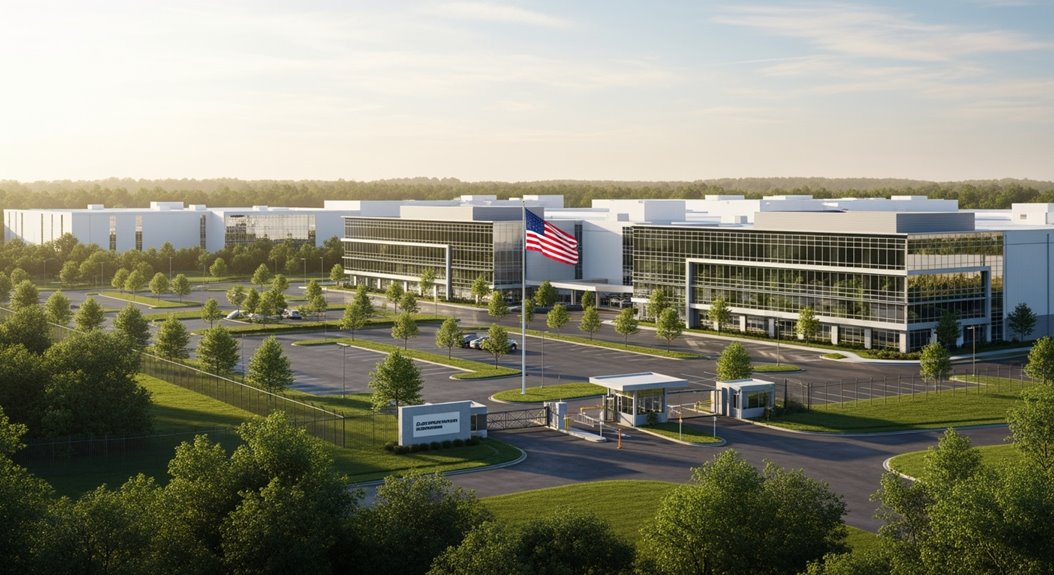
Boeing South Carolina
Locations: North Charleston (Charleston County)
Founded: 2009
Website: https://www.boeing.com
Boeing's South Carolina operations perform composite airframe manufacturing and final assembly for 787 Dreamliner aircraft, including commercial and military variants. While primarily focused on commercial aviation, the facility supports global fleet operations that may require technicians and specialists to deploy internationally for installation support, customer training, and technical assistance at military and civilian sites worldwide.
Leonardo DRS Goose Creek
Locations: Goose Creek (Berkeley County)
Founded: Various dates (consolidated operations)
Website: https://www.leonardodrs.com
Leonardo DRS manufactures advanced naval power systems and propulsion technologies for U.S. Navy vessels. The Goose Creek facility produces critical components tied to overseas missions, with engineers and technicians occasionally deployed to shipyards, naval bases, and vessels abroad to support installation, integration, testing, and maintenance of power generation and distribution systems on deployed vessels.
If you're injured overseas while working for these or other defense contractors, DBA (Defense Base Act) benefits may apply.
Types of Injuries Covered by DBA Insurance
The Defense Base Act provides coverage for injuries sustained while working on U.S. military bases and contracts overseas, including physical trauma, occupational diseases, and psychological conditions.
Combat and war zone injuries fall under this protection, encompassing harm from blasts, gunfire, and vehicle accidents that occur in hostile areas.
The law also recognizes occupational disease and illness, which are conditions caused by your work environment, as well as psychological and mental health conditions such as PTSD, anxiety, and depression that stem from deployment.
Coverage extends to chronic conditions from deployment, including repetitive stress injuries, hearing loss, and long-term pain that builds over time.
Combat and War Zone Injuries
While construction workers and logistics personnel face the most common Defense Base Act claims, combat zone injuries represent some of the most severe and complex cases under DBA coverage. You're protected when hostile action causes your injury, including rocket attacks, improvised explosive devices, and armed conflicts.
Blast concussions from explosions create traumatic brain injuries that may not appear immediately but cause lasting cognitive and physical problems. According to Department of Defense data from 2000-2019, approximately 414,000 service members and contractors sustained traumatic brain injuries in combat zones, with roughly 82.4% classified as mild TBI that often went undiagnosed initially (https://health.mil/Military-Health-Topics/Centers-of-Excellence/Traumatic-Brain-Injury-Center-of-Excellence).
Post traumatic stress develops after experiencing or witnessing combat violence, life-threatening situations, or casualties. The RAND Corporation's 2008 study estimated that 14% of deployed personnel experience PTSD symptoms following combat exposure (https://www.rand.org/pubs/monographs/MG720.html).
These injuries require specialized medical documentation and often involve multiple body systems. Insurance carriers frequently challenge combat-related claims, making experienced legal representation essential.
Occupational Disease and Illness
Beyond immediate traumatic injuries, prolonged exposure to hazardous conditions during overseas deployment often causes occupational diseases that develop gradually over months or years.
Occupational exposure to burn pit smoke, asbestos, chemicals, or biological hazards frequently leads to respiratory conditions, cancers, and neurological disorders. You might experience symptoms long after returning home, making the connection to your contractor work less obvious. The DBA covers these delayed-onset conditions when you can link them to your overseas employment.
Workplace stress from extended deployments also qualifies, particularly when resulting in diagnosed psychological conditions requiring treatment and affecting your ability to work.
Psychological and Mental Health Conditions
When contractors experience combat situations, witness casualties, endure mortar attacks, or work under constant threat conditions overseas, the psychological impact often proves as debilitating as physical injuries. Defense Base Act coverage extends to combat stress, PTSD, anxiety disorders, and depression resulting from overseas deployment. You're also covered for psychological conditions stemming from caregiver burnout when providing extended support to injured colleagues in remote locations.
According to the Defense Base Act Compensation Program, approximately 8-12% of all DBA claims involve psychological conditions, yet insurance carriers challenge mental health claims in 65-70% of cases, arguing pre-existing conditions or insufficient documentation. Grossman Attorneys works with specialized psychological evaluators who understand military contractor environments, building thorough medical records that establish the connection between your overseas work conditions and your diagnosis.
Chronic Conditions From Deployment
Extended exposure to environmental hazards in overseas deployment zones frequently produces chronic medical conditions that don't manifest until months or years after your initial exposure. Burn pit smoke, contaminated water, extreme heat, and toxic chemicals can cause respiratory diseases, kidney damage, and deployment neuropathy affecting your nerve function. These conditions often worsen progressively, limiting your ability to work long after you've returned home.
Defense Base Act insurance must cover chronic conditions directly connected to your overseas deployment, even when symptoms appear later. You're entitled to ongoing medical treatment and compensation for chronic pain that reduces your earning capacity or quality of life.
Medical Facilities and Treatment for South Carolina DBA Claimants
After returning to South Carolina from an overseas injury, quality medical care serves two critical purposes: supporting your physical recovery and documenting your condition for your DBA claim.
The state offers several Level I trauma centers and specialized facilities equipped to treat complex injuries sustained in overseas deployment, including the Medical University of South Carolina in Charleston and Prisma Health Richland in Columbia.
Proper medical treatment creates the essential documentation needed to establish the extent of your injuries and their impact on your ability to work.
Understanding your medical rights under the DBA ensures you receive appropriate treatment while building a strong foundation for securing full compensation for your injuries.

Trauma Centers and Medical Facilities in South Carolina
Blue lights and busy trauma bays matter in a DBA claim because the quality of your first treatment shapes your recovery and your case. If you're brought from rural hospitals by emergency transport, aim for South Carolina trauma centers that document complex injuries well.
Grand Strand Medical Center
809 82nd Parkway
Myrtle Beach, SC 29572
(843) 692-1000
Located along South Carolina's Grand Strand coastal region, this facility serves Myrtle Beach and surrounding communities. It's designated as a Level I trauma center for adults and Level II for pediatric cases, providing comprehensive emergency and trauma care.
Prisma Health Greenville Memorial Hospital
701 Grove Road
Greenville, SC 29605
(864) 455-7000
Situated in the Upstate region of South Carolina, this hospital serves Greenville and the surrounding northwestern counties. It operates as a Level I trauma center, offering the highest level of surgical and emergency care for critically injured patients.
Prisma Health Richland Hospital
5 Richland Medical Park Drive
Columbia, SC 29203
(803) 434-7000
Located in South Carolina's capital city, this facility serves the Midlands region. It's designated as a Level I trauma center, providing advanced emergency care and comprehensive trauma services for the most severe injuries.
Trident Medical Center
9330 Medical Plaza Drive
Charleston, SC 29406
(843) 797-7000
Positioned in the North Charleston area of the Lowcountry, this hospital serves the greater Charleston metropolitan region. It operates as a Level II trauma center and includes a specialized burn clinic for thermal injury treatment.
Important Medical Rights Under the DBA
Insurance carriers frequently deny treatment requests they're legally required to approve, counting on injured contractors to accept whatever care gets authorized instead of fighting for what the statute guarantees.
Your medical rights under the DBA include:
- Free choice of physician - You select your treating doctor, not the insurance company
- Comprehensive informed consent - Your doctor must explain all treatment options available
- Independent medical opinions - You can obtain second opinions without carrier approval
The doctor patient relationship belongs to you. Carriers can't dictate your treatment or force you toward specific providers. When insurers interfere with necessary medical care, legal intervention protects your statutory entitlements.
DBA Benefits Available to South Carolina Residents
As a South Carolina resident injured while working overseas on a U.S. government contract, you're entitled to all-encompassing benefits under the Defense Base Act that far exceed standard workers' compensation coverage.
These benefits include full medical treatment, disability payments calculated at two-thirds of your average weekly wage (capped at 66.67% of the national average weekly wage as established annually by the Department of Labor), vocational rehabilitation if you can't return to your previous work, and death benefits for your family if the worst occurs.
Understanding exactly what you're entitled to receive helps you recognize when insurance carriers offer inadequate compensation and when you need legal representation to secure your full benefits.
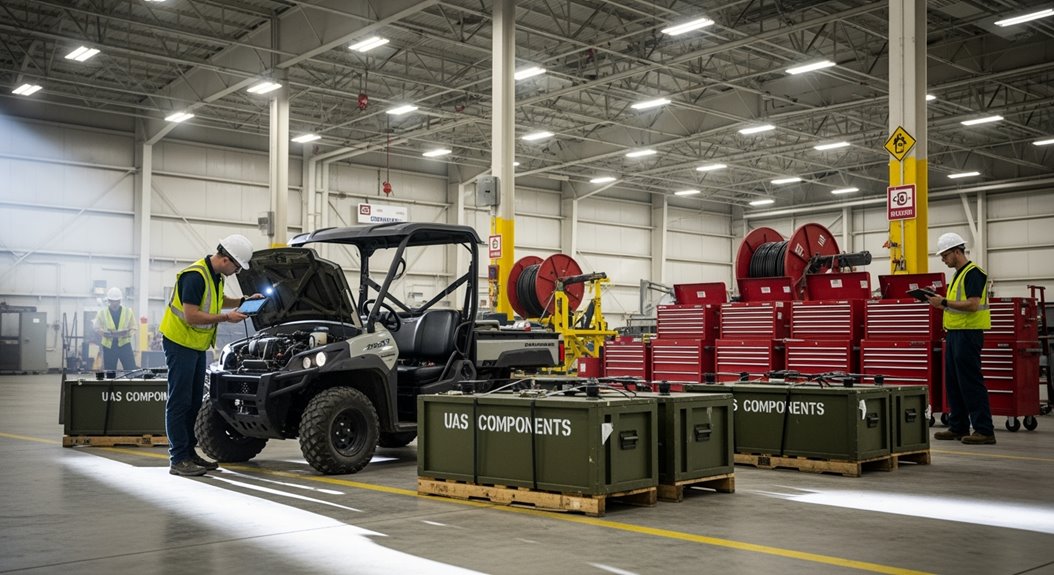
Medical Treatment and Expenses
When you're injured working overseas on a U.S. military base or government contract, the Defense Base Act requires your employer's insurance carrier to cover all reasonable and necessary medical treatment related to your work injury. This includes hospital stays, surgeries, physical therapy, diagnostic testing, and prescription coverage for medications needed during recovery.
You're also entitled to telehealth access for follow-up appointments and specialist consultations, which proves especially valuable when you've returned to South Carolina but require ongoing treatment from providers familiar with your overseas injury. Insurance carriers must pay for treatment by authorized physicians.
Disability Compensation Payment Rates
Understanding your compensation rate matters because it directly affects your financial stability while you're recovering from an overseas work injury.
The DBA calculates your benefits based on your average weekly wage, typically providing two-thirds of that amount for temporary total disability. These payments aren't subject to federal income tax, which means tax implications work in your favor compared to regular wages.
The Department of Labor adjusts rates annually through benefits indexing, ensuring your compensation keeps pace with national wage increases.
Permanent disability benefits vary based on your impairment rating and whether you can return to modified work duties.
Vocational Rehabilitation Services
Recovering from a serious overseas injury doesn't always mean you'll return to the same work you performed before. When your injuries prevent returning to your previous contractor position, the Defense Base Act provides vocational rehabilitation services to help you prepare for new employment.
These services include skills assessments, job training programs, career counseling, and return to work planning tailored to your medical limitations. Your DBA carrier must coordinate with potential employers and provide reasonable retraining expenses when your injuries require a career change.
We'll make certain your vocational rehabilitation rights receive proper employer coordination and full implementation.
Death Benefits for Families
If your family member died while working overseas for a defense contractor, the Defense Base Act provides death benefits to help surviving dependents manage the financial devastation that follows.
You're entitled to compensation that replaces lost income, funeral expense reimbursement, and ongoing support for dependent children.
These benefits include weekly payments calculated as 50% of the deceased worker's average weekly wage for a widow or widower without children, or 66.67% for a widow or widower with children, plus dependent education assistance to help children complete their schooling through age 18 or age 23 if enrolled full-time in an accredited institution.
While life insurance may provide immediate funds, DBA death benefits offer long-term financial stability spanning years or decades depending on beneficiary circumstances.
Our attorneys also connect families with survivor counseling resources during this difficult adjustment.
Statute of Limitations for DBA Claims
When you've suffered an injury while working overseas on a U.S. military base or government contract, timing isn't just important—it's everything. The Defense Base Act imposes strict deadlines that can permanently affect your right to compensation.
Critical Filing Deadlines:
- Report your injury to your employer within 30 days of the incident or when you first recognize injury awareness—the connection between your condition and work.
- File your compensation claim within one year for physical injuries or two years for occupational diseases like PTSD.
- Understand that equitable tolling may extend these deadlines if your employer failed to notify you of your rights.
Contact Our South Carolina Defense Base Act Law Firm Today for Help
If you or a loved one suffered an injury, illness, or psychological condition while working overseas on a U.S. military base or government contract, Grossman Attorneys at Law is here to help.
Whether you need to file a Defense Base Act claim, your claim has been denied or delayed, or you've received an inadequate settlement offer, our experienced team will fight for the full compensation you deserve.
We've successfully represented over 300 contractors from conflict zones and military installations worldwide, and our multilingual staff speaks English, Spanish, Creole, French, Russian, and Ukrainian.
Contact our South Carolina Defense Base Act law firm today to speak with an experienced DBA attorney who understands your rights and will aggressively advocate for your case.
*If you hire Grossman Attorneys for your DBA case, you pay no attorney fees for our service. When we win your claim, the employer or its insurer typically pays a DOL-approved attorney’s fee and any case expenses we advanced are reimbursed from the recovery. If we don't win, you pay nothing.